As we approach 2026, the trends surrounding Electric Wall Sockets are evolving rapidly. A recent report by the Global Electrical Industry Association indicates that the global market for electric sockets is expected to grow by 8% annually. This growth reflects increasing demand for smart home solutions, energy efficiency, and user convenience.
According to industry expert Dr. Emily Chen, "Electric Wall Sockets are at the heart of modern electrical systems; their role is crucial." This highlights the importance of analyzing new designs and technologies in the market. The shift toward more integrated, smart solutions presents both opportunities and challenges. While innovation drives progress, it can also lead to confusion for consumers regarding compatibility and safety standards.
By understanding these trends, global buyers can make informed decisions. Buyers should examine not only the functionality but also the aesthetic appeal of Electric Wall Sockets. A balance of design and efficiency is vital to meet the diverse needs of consumers. As the industry evolves, it is essential to stay updated and reflect on what works best in real-world applications.
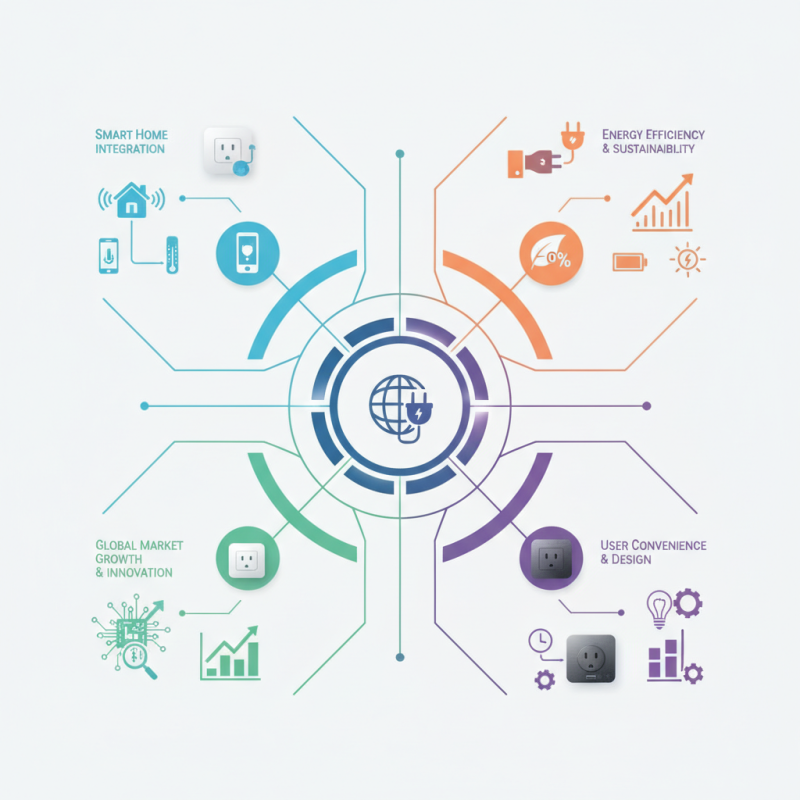
The landscape of electric wall sockets is evolving. Emerging materials are playing a crucial role in this evolution. Safety and durability remain paramount concerns for manufacturers and consumers alike. New material technology is not only enhancing the lifespan of these products but also improving their overall safety features.
Recent innovations include the use of reinforced plastics and ceramic composites. These materials offer increased resistance to heat and impact. This can significantly lower the risks of electrical fires and damage. For example, some sockets can now withstand higher temperatures without melting. This is a notable improvement over traditional materials. However, it’s essential to remember that not all emerging materials are tested thoroughly. Consumers should remain cautious when exploring new options.
Furthermore, sustainability is becoming a vital aspect. Eco-friendly materials are increasingly being incorporated. This shift may require some sacrifice in terms of structural integrity. As manufacturers prioritize greener options, the trade-offs need consideration. It's crucial to strike a balance between environmental needs and performance standards. Engaging in dialogue about these materials can enhance awareness. It can guide choices toward more sustainable, yet safe, electric wall sockets.
The integration of smart technology in electric wall sockets is reshaping how we interact with our devices. Reports indicate that nearly 30% of households will adopt smart home technologies by 2026. Electric wall sockets equipped with connectivity features can significantly enhance user experience. These technologies allow users to control their appliances remotely via smartphones and voice-activated devices. This level of integration not only caters to convenience but also promotes energy efficiency.
Moreover, energy consumption data shows that smart sockets can lead to a 10-15% reduction in electricity use. However, concerns remain regarding data security and interoperability among devices. Some users find it challenging to connect various brands without compatibility issues. As the market develops, addressing these hurdles will be crucial. Experts suggest that manufacturers prioritize seamless integration and robust security measures in their products.
Dynamic features, such as scheduling and energy monitoring, are becoming standard offerings. Users appreciate being able to track their energy consumption in real time. This added layer of awareness often leads to more mindful usage. While many users embrace technological advancements, some still prefer traditional sockets for simplicity. Balancing innovation with usability will be essential as we look towards the future of electric wall sockets.
| Feature | Description | Benefit | Adoption Rate (%) |
|---|---|---|---|
| Smart Home Connectivity | Integration with smart home systems such as Zigbee, Z-Wave, and Wi-Fi. | Enhanced control of electrical devices via smartphone apps. | 75% |
| USB Port Integration | Built-in USB ports for charging mobile devices. | Convenience of charging without needing a plug adapter. | 65% |
| Energy Monitoring | Sockets that report energy consumption statistics. | Helps users to reduce energy costs and increase efficiency. | 50% |
| Voice Control Compatibility | Compatible with voice assistants like Alexa, Google Assistant, and Siri. | Allows hands-free operation of electrical appliances. | 55% |
| Safety Features | Child-proof designs and surge protection. | Increased safety for homes with children and sensitive equipment. | 80% |
The manufacturing of electric wall sockets is evolving. Sustainable practices are now a priority. Many manufacturers use recycled materials in their products. This reduces waste and conserves resources. However, not all materials are suitable for recycling. Some components still rely on non-sustainable options. This inconsistency can undermine the entire eco-friendly effort.
Energy efficiency is another focus area. New designs incorporate smarter technology. This promotes lower energy consumption. Yet, integrating these technologies can be challenging. Many manufacturers struggle to balance functionality and sustainability. The result can be designs that miss the mark for user needs. Furthermore, the production process still often lacks transparent practices. Buyers may find it hard to identify truly sustainable options.
Ultimately, enhancements in electric wall socket design reflect broader environmental goals. Attention to sustainability can boost brand reputation. Yet, the industry must push for genuine change. Companies need to commit fully to sustainable practices. The journey is far from perfect but moving in the right direction.
As global demand for electric wall sockets rises, understanding regulations is essential. Each country has its own standards, affecting design and functionality. Compliance with these regulations ensures safety and efficiency. For instance, in Europe, the CE marking signifies adherence to safety standards. In the US, UL certification is crucial. Buyers must be aware of these differences to avoid costly mistakes.
Tips: Always check for certification labels when selecting products. This guarantees safety and compatibility with local systems.
Changing regulations can also affect material choices. For instance, eco-friendly materials may soon become a requirement in certain regions. Consumers increasingly prefer energy-efficient designs that mitigate environmental impact. You may need to rethink traditional preferences as these shifts occur.
Understanding these trends is not just about compliance; it’s about being proactive. Keeping up with global standards can set your offerings apart. Engaging with local regulations can enhance your market position.
This chart illustrates the market demand for different electric wall socket trends expected to dominate in 2026. As technology evolves, trends such as smart sockets and USB integration are gaining traction, reflecting consumer preferences and regulatory influences on designs.
In recent years, consumer preferences in electric wall socket design have evolved significantly. Buyers are looking for a blend of style and functionality. Sleek designs with vibrant colors are increasingly popular, allowing homeowners to express their personality through their electrical fixtures. Many consumers prefer sockets that seamlessly integrate with modern decor.
Functionality is just as vital. Features like built-in USB ports and smart technology are in high demand. Users want convenience at their fingertips. Energy efficiency is becoming a criterion for selection as well. However, the variety of choices sometimes leads to confusion. Not all designs are user-friendly or intuitive. Balance between aesthetics and practical use is essential.
As trends evolve, it’s crucial to reflect on what works and what doesn’t. Some designs may look great but are impractical in everyday use. Others prioritize functionality at the expense of style. Finding an equilibrium is key. Consumers should consider their needs while exploring the latest trends, remembering that not every choice will fit perfectly.
: Many manufacturers use recycled materials. Not all materials are suitable for recycling. Some still rely on non-sustainable options.
Energy efficiency is very important. New designs aim for lower energy consumption, but integrating technologies can be challenging.
Yes, sleek designs with vibrant colors are popular. Consumers want sockets that integrate with their decor.
Built-in USB ports and smart technology are in high demand. Users desire convenience and energy efficiency.
Many choices lead to confusion. Not all designs are user-friendly or intuitive, making selection difficult.
Yes, some may look great yet be impractical. Balancing aesthetics and practical use is essential for everyday needs.
Manufacturers struggle to balance functionality and sustainability. Designs may fail to meet user needs effectively.
Attention to sustainability can enhance brand reputation. However, the industry needs genuine commitment to sustainable practices.
Consumers should reflect on their needs and preferences. Not every design will perfectly match their requirements.
No, the journey is far from perfect. Genuine change is needed, and the industry must push forward.
The article "2026 Top Electric Wall Socket Trends for Global Buyers" highlights key developments in the electric wall socket industry, focusing on innovative materials that enhance durability and safety. As manufacturers prioritize smart technology integration, future electric wall sockets will feature advanced connectivity options, catering to the growing demand for more interconnected home environments.
Additionally, sustainable practices in manufacturing and design are becoming essential, reflecting consumer preferences for eco-friendly products without compromising on style and functionality. The impact of global regulations and standards is also significant, shaping compliance and performance expectations within the market. Ultimately, the trends outlined in this article underscore a shift towards more efficient, safer, and aesthetically pleasing electric wall socket solutions for consumers worldwide.

Huaya Electric