As we look toward 2026, the landscape of Electrical Wall Outlet trends is evolving rapidly. Consumers are increasingly prioritizing safety, efficiency, and aesthetics in their choices. Innovations in smart technology are shaping how these outlets function in homes and businesses.
More companies are focusing on sustainable materials in their electrical wall outlet designs. This shift not only meets consumer demand but also addresses environmental concerns. Many buyers remain unaware of the latest advancements, which can impact their purchasing decisions. Understanding these trends is crucial for global buyers looking to stay ahead.
Yet, finding reliable information about these developments can be challenging. Market fluctuations and design inconsistencies can create confusion. Therefore, it is vital for buyers to seek out expert opinions and trustworthy resources when considering new electrical wall outlets. Being informed helps ensure that investments in electrical components meet user needs and expectations.
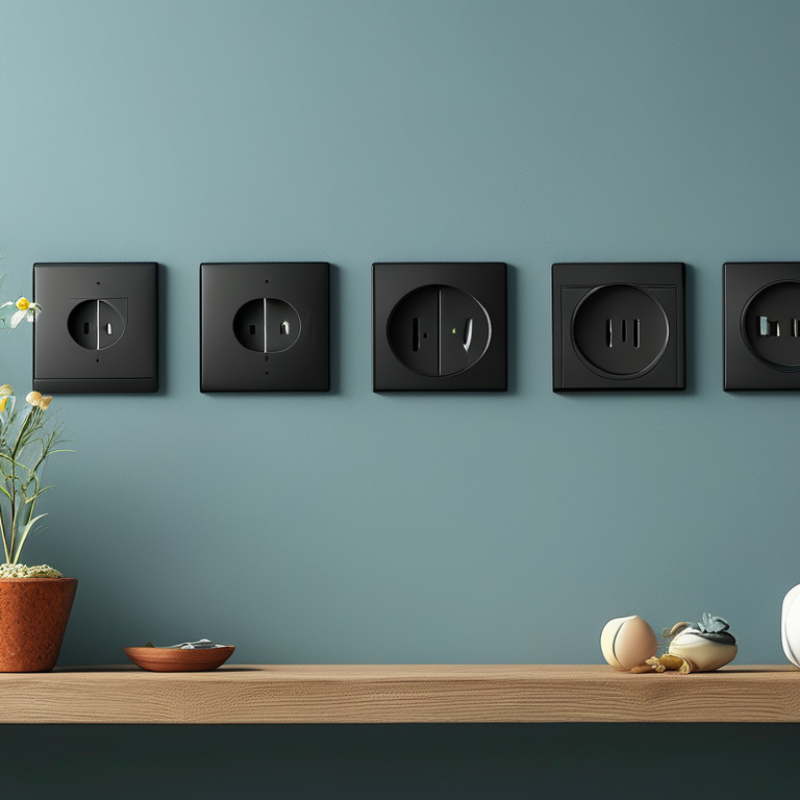
The aesthetic landscape of electrical wall outlets is evolving in 2026. Designers are embracing minimalism, creating sleek, unobtrusive profiles. According to industry reports, over 40% of homeowners prioritize aesthetics in their electrical fittings. This trend underscores the importance of blending functionality with style in modern interiors.
Color choices are shifting as well. Neutral tones like white and gray dominate, but vibrant colors are gaining traction among younger buyers. A survey indicated that 25% of consumers prefer outlets that reflect their personal style. Consumers desire products that not only work efficiently but also enhance their home's decor.
However, some issues arise. Many homeowners complain about the limited options available in sustainable materials. While demand for eco-friendly products is high, many manufacturers still rely on traditional materials. This gap in the market presents an opportunity for innovation but also calls for a critical evaluation of existing practices. There is a notable need for manufacturers to adapt to consumer preferences while ensuring quality and reliability.
The rise of smart technology integration in electrical wall outlets is reshaping how we interact with our living spaces. These next-gen outlets often feature built-in connectivity options. Many include Wi-Fi and Bluetooth capabilities. This allows users to control various devices from their smartphones. Imagine turning on your lamp or charging your phone with just a tap on an app.
Some outlets now come with energy monitoring features, letting users track power consumption. This data helps in identifying energy hogs. Not all designs are user-friendly, though. Some users may find the setup process complicated. It's essential to have clear instructions for effective installation. Aesthetic variations, such as colors and shapes, also play a role in user preference.
Safety is another critical aspect of smart outlets. Many models include surge protection and ground fault circuit interrupters. However, some buyers might overlook these features during their selection. Communication with manufacturers is vital if issues arise. The landscape is evolving rapidly, and many still need to catch up with new developments. Those in the industry must stay informed to ensure reliability and quality.
| Trend | Description | Key Features | Expected Impact |
|---|---|---|---|
| Smart Outlets | Outlets that can be controlled via smartphones or voice commands. | Wi-Fi connectivity, mobile app control, voice assistant compatibility. | Increased convenience and energy efficiency. |
| USB Integrated Outlets | Outlets that include built-in USB ports for direct charging. | Dual USB ports, fast charging capabilities. | Reduced clutter from separate chargers. |
| Energy Monitoring | Outlets that track energy consumption and provide analytics. | Real-time monitoring, usage statistics, alerts for high usage. | Promotes energy savings and informed usage. |
| Smart Surges and Security | Outlets with built-in surge protection and security features. | Surge protection, child-proof designs, remote status alerts. | Enhanced safety for electronics and children. |
| Automated Scheduling | Outlets that can schedule power on/off times. | Programmable settings, integration with smart home systems. | Improved energy management and cost savings. |
Sustainability is reshaping the electrical wall outlet industry. Manufacturers are increasingly using eco-friendly materials. These include recycled plastics and biodegradable components. Choosing sustainable materials reduces the carbon footprint. This shift also meets consumer demands for greener products.
The design process now incorporates life cycle assessment. This helps manufacturers choose materials with lower environmental impact. However, challenges remain. Not all eco-friendly materials are as durable as traditional ones. This could lead to performance issues over time. Innovating in this area is crucial for long-term success.
Regulatory standards are pushing for greener designs. Compliance can be complex and costly for manufacturers. They must balance sustainability with affordability. Many buyers remain unsure about the benefits of eco-friendly options. Clear communication on advantages is essential. Addressing skepticism can foster trust in these new products.
Understanding regional preferences is essential for suppliers in the electrical outlet market. Different areas have varying needs. In Europe, style and sustainability are prioritized. Buyers prefer sleek, modern designs that complement contemporary decor. In contrast, Asian markets often value functionality and compact designs. Outlets there are expected to cater to advanced technology, making them more integrated.
In North America, safety features dominate choices. Users are now more aware of safety standards. Outlets with built-in surge protection or GFCI capabilities are becoming more popular. However, some buyers still struggle with the sheer variety available. They often feel overwhelmed by choices and uncertain about the best fit for their homes.
Trends also reveal a craving for smart technology globally. Outlets that incorporate smart features are gaining traction. Yet, there are challenges, such as the need for user education on these advancements. Many consumers show hesitance in adopting these technologies. They often question their necessity and ease of use. Addressing these concerns can significantly impact future purchasing decisions.
The commitment to safety in electrical outlet design is evolving significantly. Recent reports indicate that approximately 60% of electrical fires are caused by faulty outlets. This statistic underscores the urgency for improved safety standards. Innovations such as tamper-resistant sockets and weatherproof designs are becoming crucial. These advancements help reduce risks of accidental shocks and are especially important in homes with children.
In addition to design features, compliance with updated safety standards is imperative. The International Electrotechnical Commission (IEC) has introduced guidelines aiming for increased consumer protection. For instance, damage from moisture exposure can be mitigated through the development of GFCI (Ground Fault Circuit Interrupter) outlets. Such measures have been shown to lower incident rates of electrical mishaps by over 25%.
While these innovations represent progress, challenges remain. Many older homes continue to feature outdated systems, which pose higher risks. Retrofitting these homes can be a hurdle due to costs and installation complexities. As buyers navigate this landscape, it becomes clear that balancing safety with practicality is essential for a safer electrical future.
This chart illustrates the key safety innovation trends in electrical wall outlets for 2026, highlighting market interest percentages for various features such as Smart Outlets, Surge Protection, Child Safety Features, Energy Monitoring, and USB Integrations.
: Smart outlets allow remote control of devices via smartphones. Users can turn on lamps or charge devices easily.
Some smart outlets feature energy monitoring. Users can track their power usage and identify energy-hogging devices.
Not all designs are user-friendly. Some users find the installation process complicated without clear instructions.
Many smart outlets have surge protection and ground fault circuit interrupters. Buyers should prioritize these safety features.
In Europe, style matters. In Asia, compact and functional designs are essential. North American buyers focus on safety features.
There’s a global trend towards smart features. However, many consumers hesitate, questioning their necessity and user-friendliness.
The variety of options can be overwhelming. Many feel uncertain about which outlet best fits their needs and home.
Yes, as technology rapidly evolves, some consumers worry about reliability. Staying informed is crucial for users and the industry.
The article "2026 Top Electrical Wall Outlet Trends for Global Buyers" explores the evolving landscape of electrical wall outlets, focusing on aesthetic designs that cater to contemporary tastes. As consumers increasingly prioritize the visual appeal of their living spaces, manufacturers are responding with innovative designs that blend functionality with style.
Additionally, the integration of smart technology in electrical wall outlets is becoming a significant trend, featuring advanced capabilities such as remote control and energy monitoring. Sustainability is also a key focus, with a shift towards eco-friendly materials in manufacturing processes. The article delves into global market insights, highlighting regional preferences in outlet styles, while emphasizing the importance of safety innovations that enhance standards for electrical outlet safety. This comprehensive overview offers valuable insights for global buyers looking to stay ahead in the evolving electrical wall outlet market.

Huaya Electric