In the competitive landscape of electrical outlets, understanding regional specifications is crucial for global buyers. According to Dr. Charles Li, a renowned expert in electrical engineering, “Choosing the right electrical outlet can optimize safety and efficiency.” His insights speak to the importance of knowing the standards and compatibility issues in various markets.
China presents a unique set of challenges and opportunities for international purchases of electrical outlets. The country has specific voltage and plug types that differ from those in many other regions. Buyers need to familiarize themselves with international and local standards. Selection often hinges on local regulations and customer needs.
The world of electrical outlets is intricate and ever-changing. Some brands may promise universal compatibility, but issues often arise. Ensuring reliable performance requires ongoing research and adaptation. Global buyers should embrace the complexity rather than avoid it. Understanding these nuances ultimately leads to better choices for consumers and businesses alike.
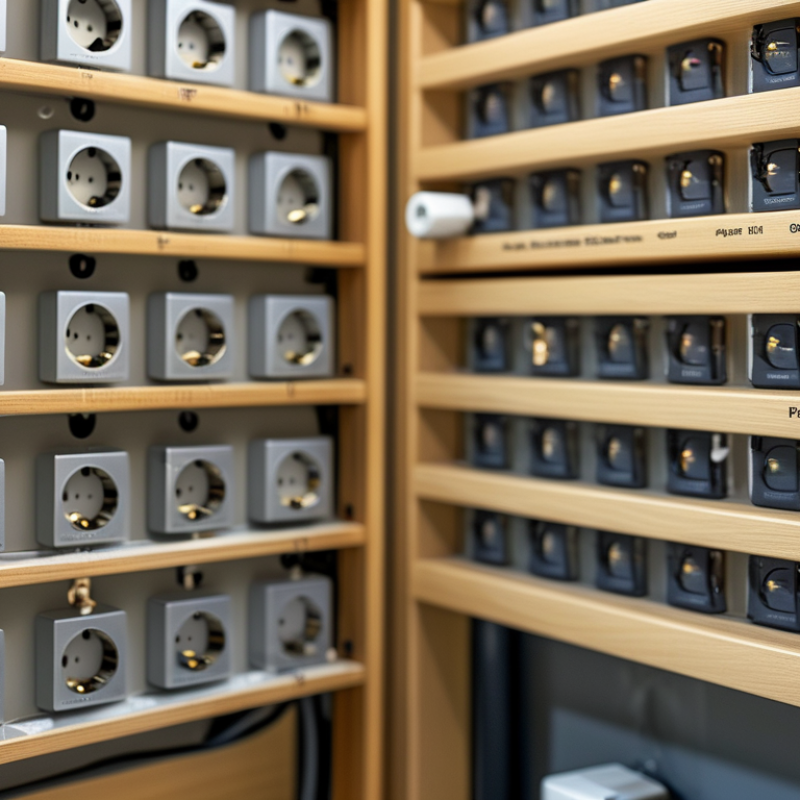
When traveling to China, understanding the types of electrical outlets used is crucial for global buyers. In general, China primarily uses Type I and Type A outlets. Type I outlets feature two flat pins and a grounding pin. Type A outlets are similar but lack the grounding pin. It’s important to note that voltage in China is typically 220 volts, which may differ from your home country.
Tips: Bring universal adapters. They help connect your devices to various outlet types. Check your devices' voltage specifications. Some gadgets may require converters to avoid damage.
In addition to outlet types, it’s worth considering the quality of electrical installations. While major cities have modern infrastructure, rural areas may have outdated systems. Be cautious when using outlets in older buildings. The condition of wiring can also vary, affecting safety and efficiency.
Equipping yourself with this knowledge can aid in smooth travels and prevent inconvenience. Always double-check your devices before plugging them in. Safety should remain a top priority when navigating electrical systems abroad.
This chart shows the usage percentages of common electrical outlet types in China, highlighting the most prevalent types for reference by global buyers.
When considering electrical outlets in China, compatibility is crucial for global buyers. Chinese outlets generally follow the Type I system, featuring two flat pins in a V-shape and a grounding pin. This design can be a challenge for those accustomed to other standards. Adapters may be necessary, especially for travelers and expatriates bringing in devices from Europe or North America.
Another critical aspect is voltage. China’s standard voltage is 220V, which is higher than in many countries. Devices rated for lower voltages might not function properly. Miscalculating voltage requirements can lead to damage. It's essential to check the specifications of each device before use.
Moreover, the quality of electrical outlets varies. Some cheaper options may not provide reliable connections. Loose connections can lead to sparks, which pose safety risks. Buyers should prioritize outlets that adhere to safety standards. In doing so, they minimize the potential for hazards.
Understanding these specifications ensures more informed purchasing decisions. While there are great options available, one must remain cautious and consider safety before anything else.
Understanding electrical outlet designs in China is crucial for global buyers. Chinese outlets differ significantly from those in other regions. The common types are Type A and Type I. Type A outlets, with two flat parallel pins, are widely used. Type I outlets have two flat pins in a V-shape and an additional grounding pin. This variation can lead to compatibility issues for travelers and expatriates.
When comparing global standards, the voltage in China is typically 220V, while many countries operate at 110V. This creates a need for voltage transformers for devices designed for lower voltage. Furthermore, the frequency of electricity in China is 50Hz, which can affect some electronic devices. Adaptor plugs may be necessary for travelers.
Tips: Always check the voltage and frequency of your devices before plugging them in. Consider bringing a universal adapter if visiting China. Additionally, it's wise to purchase a reliable voltage converter to avoid damage to your electronics. Recognizing these differences ensures a safer experience while staying in China.
China's electrical outlet market offers a diverse range of options for global buyers. Major manufacturers provide products that fulfill various international safety standards. According to recent market analysis, the electrical outlet sector is projected to grow significantly, with a CAGR of around 7.8% over the next five years. This growth indicates rising global demand for reliable electrical solutions.
Many popular brands in China specialize in different outlet types, including standard, USB, and smart outlets. These products cater to the needs of both residential and commercial settings. Data from industry reports reveal that outlets with integrated USB ports are particularly in high demand. They offer convenience, especially for electronics users.
Tip: When sourcing electrical outlets, consider local certifications. They ensure safety and compliance with regulations. Check the fine print to understand warranty conditions. It’s crucial to align outlet specifications with your country's voltage and frequency standards for optimal performance.
Some reports also suggest that consumers overlook energy efficiency ratings when purchasing outlets. This can lead to increased long-term costs. Always prioritize energy-efficient options to save on electricity bills. A deeper understanding of product specifications will help enhance your investment decisions.
When searching for quality electrical outlets in China, understanding local standards is crucial. China primarily uses Type A, C, and I plugs. Each type has unique attributes. Knowing these can save time and help avoid compatibility issues later. Inspecting the materials used in outlets is essential. High-quality outlets often use durable plastic and copper components. Always verify certifications to ensure safety and reliability.
Local markets often provide a vast selection. However, not all vendors uphold quality. Buyers should seek reputable distributors. Research online reviews and ask for recommendations from other foreign purchasers. Ordering in bulk can also lead to better pricing.
It’s advisable to visit manufacturing hubs if possible. Cities like Shenzhen and Guangzhou have numerous vendors. Face-to-face discussions can reveal more about product features and potential problems. While negotiating prices, expect some fluctuations. Building rapport may lead to better deals. Sometimes, overlooking small details can mean trouble later. Always prioritize thorough inspections before finalizing any purchase.
| Outlet Type | Voltage Rating | Amperage | Material | Safety Features | Price Range (USD) |
|---|---|---|---|---|---|
| Standard Outlet | 220V | 10A | Polycarbonate | Surge Protection, Child Safety | 1.50 - 3.00 |
| USB Wall Outlet | 220V | 10A | Fire-resistant Plastic | Over-current Protection | 3.00 - 5.00 |
| Smart Outlet | 220V | 10A | High-grade Plastic | Remote Control, Timer Function | 8.00 - 15.00 |
| Surge Protector Outlet | 220V | 16A | Metal Housing | Surge Protection, EMI Filter | 10.00 - 20.00 |
| Industrial Outlet | 380V | 32A | Heavy-duty Plastic | Water Resistant, Insulated | 15.00 - 30.00 |
: China uses Type I outlets, featuring two flat pins in a V-shape and a grounding pin.
The standard voltage in China is 220V, which is higher than many other countries.
Devices rated for lower voltages may get damaged if used with 220V outlets.
Yes, travelers often need adapters and possibly voltage transformers for compatibility.
Miscalculating voltage can lead to device malfunction or even permanent damage.
No, some cheaper outlets may provide unreliable connections, posing safety risks.
Buyers should look for outlets that adhere to recognized safety standards.
Yes, electricity frequency in China is 50Hz, which can affect certain electronics.
Consider bringing a universal adapter and a reliable voltage converter.
Loose connections can cause sparks, leading to potential fire hazards.
In China, electrical outlets come in various types, primarily designed to accommodate the local voltage and plug shapes. Understanding the specifications of these outlets is crucial for global buyers to ensure compatibility with their devices. A thorough comparison of international standards and Chinese designs reveals significant differences, highlighting the importance of selecting the right outlet for seamless functionality.
For those interested in purchasing electrical outlets in China, several reputable brands cater to international customers. It is advisable for foreign buyers to focus on quality by seeking outlets that meet safety regulations and performance standards. Tips for finding reliable sources include visiting local markets, checking online platforms, and consulting with local experts. By being informed about the types and specifications of electrical outlets, buyers can make educated choices to ensure their electrical needs are met effectively.

Huaya Electric