Choosing the best light switch for your home can be more complex than it seems. According to David Lightman, a renowned expert in electrical installations, “The right light switch can enhance both functionality and aesthetics in your space.” His insight highlights how essential it is to select a switch that complements your lifestyle and decor.
When shopping for a light switch, consider factors like style, functionality, and control options. Smart switches, for example, offer convenience and energy efficiency. On the other hand, traditional switches may lack certain features but often provide reliability. Balancing these options can be tricky; you might feel torn between modern technology and classic designs.
It's also essential to think about safety and compatibility with your current wiring. A poorly chosen switch can lead to issues and frustrations. Reflecting on these points is key to making an informed decision. By evaluating your needs and preferences, you can find a light switch that meets your criteria and enhances your home’s ambiance.
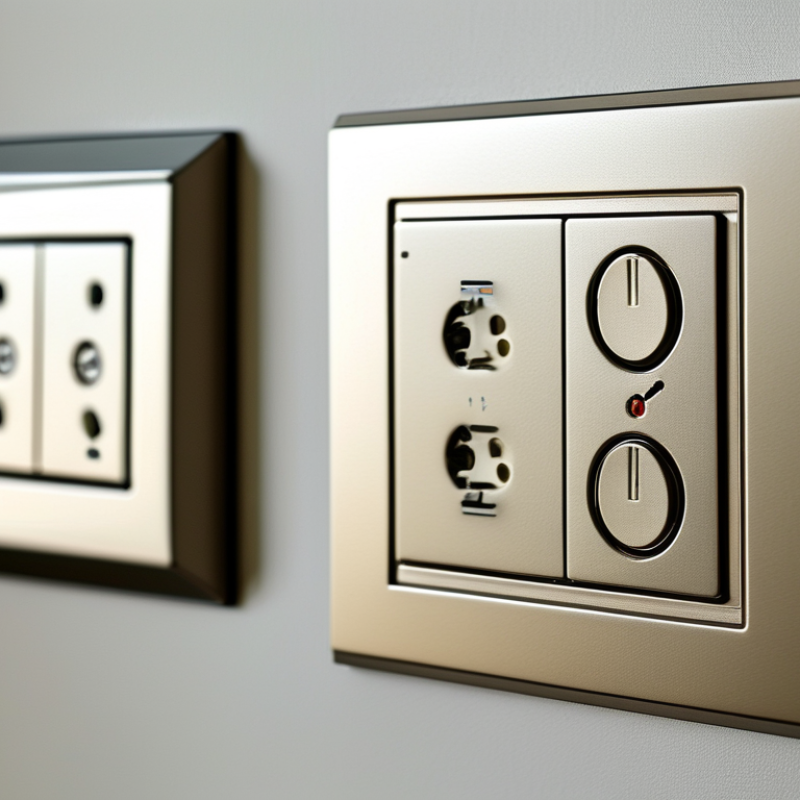
Understanding Different Types of Light Switches Available in the Market
When selecting a light switch for your home, it's essential to understand the various types available. The most common types include single-pole, three-way, dimmer, and smart switches. According to a 2022 industry report, over 30% of homes are adopting smart technology, highlighting a trend toward more advanced lighting options. Smart switches offer convenience and can often be controlled via smartphone, making them a popular choice.
For those who prefer simplicity, single-pole switches are still the most widely used. They control lighting from one location and are straightforward to install. On the other hand, three-way switches allow you to control a light from multiple locations. This is particularly useful in larger spaces or long hallways. The National Electric Code recommends using these in many cases to enhance safety and functionality.
Tip: Consider the wattage and voltage requirements of your lighting fixtures before purchasing a switch. This ensures compatibility and avoids potential hazards. Remember, not all dimmers work with LED bulbs, which can lead to flickering.
When choosing a switch, think about aesthetics. The style should match your decor. Sometimes, a sleek design can elevate a room's overall look. However, don't overlook the reliability of the switch. The right choice should provide both function and form, ensuring lasting performance in your home.
Key Factors to Consider When Selecting a Light Switch for Your Home
When selecting a light switch, consider style and functionality. Your choice can affect the room’s ambiance. According to industry reports, 70% of homeowners prefer smart switches for ease of use. These are especially useful for outdoor lighting or hard-to-reach fixtures.
Safety features are crucial. Look for switches with built-in surge protection to prevent damage. Around 30% of electrical fires are linked to faulty switches. Ensure that your chosen switch meets safety standards. This reflects reliability and creates a secure environment in your home.
Don’t overlook compatibility. Some switches work best with specific bulbs or systems. Research is key. Check if the switch is compatible with LED or CFL bulbs, as these are more energy-efficient. Many users find installation challenging. So, weigh the ease of setup versus the technical requirements. The perfect switch blends aesthetics with safety and efficiency.
Assessing Your Home’s Electrical System Compatibility with Light Switch Options
Choosing the right light switch for your home involves understanding your electrical system. Not all homes are the same, and
compatibility is crucial. Start by checking the voltage in your home.
Most residential switches operate at 120 volts. Ensuring your new switch matches this is key to avoiding electrical issues.
Consider the existing wiring. If your home uses a three-way switch setup, opt for compatible switches. This choice allows control
of lighting from multiple locations. Changing to a different type of switch could lead to frustration or worse, safety hazards.
Inspecting the neutral wire in your electrical box is essential too. Not all switches require a neutral wire, but some
smart switches do.
Tips to remember: Always turn off power before working on any electrical fixtures. Test the old switch
to confirm current. If you feel uncertain about the installation, consult a professional. Your safety relies on proper installation.
Rushing decisions can lead to mistakes you might regret later.
Maintain a checklist to confirm compatibility and work with your specific
electrical setup. This way, you protect both your home and peace of mind.
Exploring Smart Light Switches: Pros and Cons for Modern Homes
Smart light switches have gained popularity in modern homes. According to a recent report by the Consumer Technology Association (CTA), smart home technology adoption has reached 28% among U.S. households. These devices offer convenience and energy efficiency. However, they also come with challenges.
One of the main advantages of smart switches is remote control. Homeowners can manage lighting from their smartphones. This capability can save energy, as users can turn off lights remotely. Additionally, many smart switches have scheduling features, allowing users to automate their lighting. A study by Navigant Research found that smart lighting systems can reduce energy consumption by up to 20%.
Nonetheless, there are drawbacks. Compatibility with existing wiring can be an issue. Some users report connectivity problems, especially in larger homes. Maintenance is another concern, as software updates may be needed. Additionally, some users find the initial setup complex. This can deter those unfamiliar with technology, revealing gaps in accessibility.
While smart light switches offer great potential, careful consideration is essential. Balancing convenience and potential complications is critical. Homeowners should evaluate their needs and technical skills before investing in these devices.
Installation and Maintenance Tips for Your Chosen Light Switch
Choosing the right light switch for your home involves considering both aesthetics and functionality. Once you've selected your switch, proper installation and maintenance become crucial for safety and durability.
For installation, ensure the power is off before starting. Using a voltage tester can enhance safety. Follow the manufacturer's instructions closely. If you're uncertain, consulting a licensed electrician is wise. A mistake during installation can lead to future headaches.
Regular maintenance is just as important. Dust and debris can accumulate, affecting performance. Wipe switches with a damp cloth to keep them clean. Check for any signs of damage, such as cracks or discoloration. If a switch feels warm to the touch or flickers, it might need replacement.
**Tips:** Always use the correct tools for installation. If unsure, seek help. Periodically inspect your switches for safety. Replacing old switches might improve energy efficiency. Keeping a log of your inspections can help you track any issues over time.
Light Switch Types Popularity in Homes
FAQS
: Most homes operate at 120 volts. Use a voltage tester to confirm this.
Ensure compatibility with your current setup, especially if using a three-way switch.
Some smart switches require a neutral wire. Check if your setup supports this.
Always turn off the power and use a voltage tester before working on switches.
Regularly wipe switches with a damp cloth and check for damage or warmth.
Replace switches if they flicker, feel warm, or show damage like cracks.
Consulting a licensed electrician is a wise choice to ensure your safety.
Consider replacing old switches as new ones may function more efficiently.
Use the correct tools, including screwdrivers and voltage testers, for safe installation.
Periodically checking switches can help identify issues early and maintain safety.
Conclusion
Choosing the right light switch for your home involves understanding the various types available, including traditional, dimmer, and smart switches. Each type offers distinct features and functionalities, making it essential to evaluate your specific needs. Key factors to consider include the switch’s compatibility with your home’s electrical system, the number of lights it controls, and whether you want additional features like dimming or remote control.
For modern homes, smart light switches offer innovative advantages, allowing for greater flexibility and automation, though they come with some downsides such as cost and installation complexity. Regardless of the choice, proper installation and ongoing maintenance are crucial for ensuring safety and optimal performance of your light switches, enhancing both convenience and energy efficiency in your living space.

 Huaya Electric