2026 How to Choose the Best Tamper Resistant Wall Outlet

Time:2026-10-17 Author:Amelia
0%

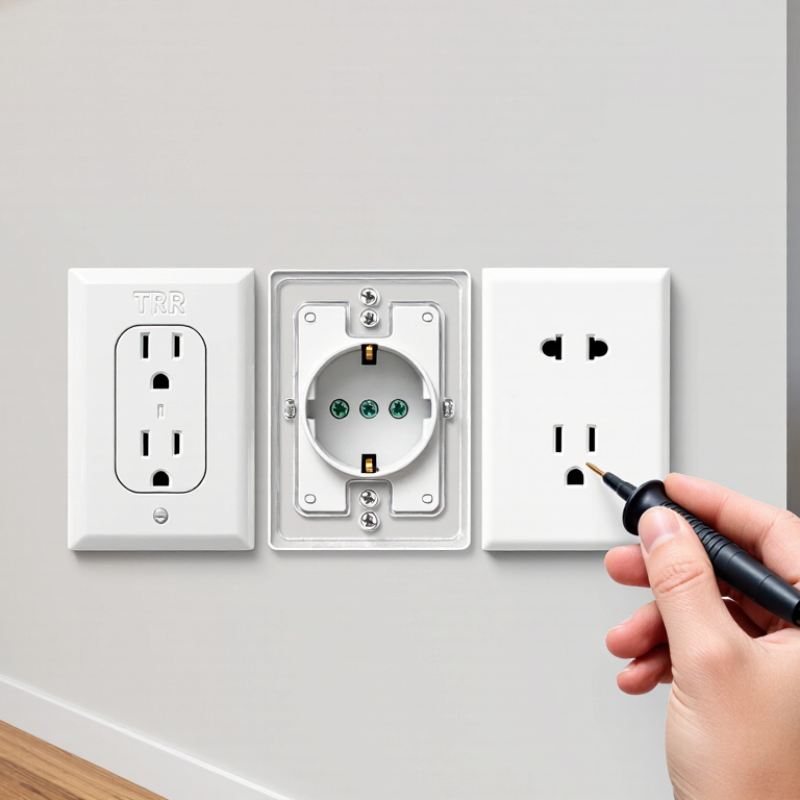
Choosing the Best Tamper Resistant Wall Outlet in 2026 requires more than comparing prices. A dependable outlet should protect children, support daily use, and fit the existing electrical box correctly. Look for the clear “TR” marking, durable internal shutters, secure grounding, and a recognized safety certification. The faceplate should sit flat against the wall, with no gaps around the screws.

Former U.S. Consumer Product Safety Commission Chair Inez Tenenbaum stated, “Tamper-resistant receptacles are an important safety device.” Her comment reflects a practical truth. A Tamper Resistant Wall Outlet can reduce the risk of accidental contact with energized parts. However, it cannot correct loose wiring, damaged boxes, or poor installation. That detail is easy to overlook.

The best choice also depends on the room. Kitchens may need GFCI protection, while workshops may require stronger commercial-grade construction. Check the circuit rating before selecting a 15-amp or 20-amp model. Never assume a heavier-looking outlet matches every circuit. Compatibility matters more than appearance.

Small details reveal quality. A firm shutter should open smoothly when both slots receive equal pressure. Terminal screws should hold wires without twisting or slipping. The outlet should not feel warm during normal use. That is not normal.

Some recommendations remain imperfect because product labels can confuse buyers. Marketing language may sound impressive, yet certification marks and installation instructions deserve greater attention. This guide examines those differences closely, helping homeowners, contractors, and facility managers choose a safer outlet for real-world conditions.
2026 How to Choose the Best Tamper Resistant Wall Outlet

What a Tamper-Resistant Wall Outlet Is and How It Works

A tamper-resistant wall outlet has built-in shutters behind its openings. The shutters stay closed when one slot receives pressure. They open only when both slots are pressed together by a plug. This design helps block keys, hairpins, and other small objects from reaching energized contacts. It does not make an outlet childproof, however. Supervision still matters.

The National Fire Protection Association reported an estimated 32,620 home fires involving electrical distribution and lighting equipment each year from 2015 to 2019. These fires caused about 470 civilian deaths and 1,100 injuries annually. A tamper-resistant outlet addresses one small, preventable risk within this larger electrical safety picture. When choosing one, check its tamper-resistant marking, amperage, grounding design, and recognized safety certification. Match the outlet with the circuit rating. A higher-rated receptacle is not automatically safer.

Tips: Test the outlet after installation with a receptacle tester. Press both shutters with a suitable plug. New shutters may feel stiff, and that is normal. If insertion feels uneven, stop and inspect the wiring or device alignment. Avoid forcing the plug. In real homes, painted covers, loose boxes, and worn plugs can reduce confidence in an otherwise sound installation. An outlet can meet a standard and still perform poorly when installed carelessly.

Key Safety Standards and Certifications to Check in 2026

2026 How to Choose the Best Tamper Resistant Wall Outlet

In 2026, check safety certification before comparing appearance, price, or USB features. For installations in the United States, look for compliance with UL 498 and a recognized NRTL certification mark. The outlet should also carry a clear “TR” marking for tamper resistance. This feature uses internal shutters that block access when only one slot is pressed. It helps protect children from inserting objects, but it is not a substitute for supervision.

Requirements differ by country and installation type. In Canada, verify the applicable CSA receptacle standard and certification details. IEC 60884-1 may apply in other regions, but it does not automatically approve a product for every national system. Check the current 2026 requirements with a qualified electrician or local authority.

A printed logo alone proves little. I would verify the model number in the certifier’s online database. One detail is easy to miss: a GFCI function and tamper resistance provide different protections. You may need both.

Tips: Inspect the rear label, test button, wiring diagram, and required box depth. Reject outlets with unclear markings, missing instructions, or loose shutters. Check whether the certification covers the complete outlet, not only one component. Marketing language can sound authoritative, yet certification records are stronger evidence. I would also test insertion force carefully, because an overly stiff shutter may frustrate daily use. That judgment is imperfect, but practical usability matters.

How to Match Outlet Features to Your Home’s Electrical Needs

Choosing a tamper-resistant wall outlet starts with your circuit, not its appearance.

A 15-amp outlet suits most general lighting and bedroom circuits. A 20-amp receptacle belongs only on a correctly rated 20-amp branch circuit. Never replace a breaker with a larger one to stop nuisance trips. That shortcut can overheat hidden wiring.

Location changes the feature list. Kitchens, bathrooms, garages, laundry areas, and outdoor points usually need ground-fault protection. Bedrooms and living spaces may require arc-fault protection under local electrical rules. Tamper-resistant shutters help prevent children from inserting small objects, but they do not prevent overloads or damaged cords.

NFPA’s Home Structure Fires report found electrical distribution and lighting equipment involved in roughly one-quarter of reported home structure fires during 2016–2020. The number deserves attention, even though outlet selection is only one part of prevention.

Tips:

Map each outlet before buying. Read the breaker rating and inspect the wire size. Match the receptacle’s amperage, grounding, and protection type to that circuit.

In a kitchen, test GFCI operation after installation. For older homes, ask a qualified electrician to check loose terminals, aluminum wiring, and missing grounding.

I have seen attractive upgrades fail because the circuit was never identified. That mistake is easy to make, and harder to notice behind a finished wall.

Consult NFPA guidance and your local electrical code before installation.

How to Compare Installation Types, Materials, and Durability

2026 How to Choose the Best Tamper Resistant Wall Outlet

Choosing a tamper-resistant wall outlet starts with installation type. For replacement work, select a receptacle matching the existing box, wiring, amperage, and grounding method. A new-construction box may allow deeper devices and cleaner cable routing. Back-wire terminals can speed installation, but screw terminals often provide clearer visual checks. In damp areas, consider a tamper-resistant GFCI combination outlet, installed by a qualified electrician. The U.S. Consumer Product Safety Commission estimates that about 2,400 children receive emergency treatment annually after inserting objects into receptacles. Small shutters matter.

Material affects heat control and service life. Thermoplastic bodies resist impact and common household chemicals. Nylon faces usually tolerate repeated plugging better than brittle plastics. Metal yokes should resist bending during tightening. Look for copper-alloy contacts and clear temperature ratings, not vague “heavy-duty” wording. UL 498 certification indicates tested receptacle construction and performance, but it does not make poor wiring safe. That distinction is easy to miss.

Durability also means surviving real use. Check the outlet’s 15- or 20-amp rating, terminal design, grounding path, and published endurance testing. NFPA’s Home Structure Fires analysis for 2015–2019 linked electrical distribution and lighting equipment to an estimated 35,150 home fires annually. An outlet cannot prevent every failure. Not perfect. Still, firm contact tension, secure terminals, and a snug faceplate reduce heat-producing looseness. Inspect for discoloration, buzzing, warmth, or loose plugs. Replace questionable devices rather than trusting appearance alone.

2026 How to Choose the Best Tamper-Resistant Wall Outlet

Comparative evaluation of common installation types using a 1–5 score. Higher values indicate easier installation, stronger conductor retention, better heat resistance, or longer expected service life. Thermoplastic and nylon bodies are common insulating materials, while a metal support strap improves mechanical rigidity.

Push-in terminals are usually the fastest to wire but provide less service flexibility. Side-screw terminals offer secure connections when properly tightened. Back-wire clamp terminals combine strong conductor retention with easier installation. Always select an outlet with the correct amperage, tamper-resistant certification, grounding method, and wiring compatibility for local electrical requirements.

How to Select and Safely Install the Best Outlet for Each Room

2026 How to Choose the Best Tamper Resistant Wall Outlet

Choosing an outlet starts with the room, not the package. In bedrooms, playrooms, and living areas, use tamper resistant receptacles that block access unless both slots receive pressure. The 2023 NFPA 70 generally requires this protection in dwelling-unit areas, but local rules can differ. Confirm the adopted code before purchasing.

Wet locations need another layer. Install GFCI protection in bathrooms, kitchens, laundry areas, garages, and outdoor spaces. Keep outlets away from sinks and countertops when possible. The U.S. National Fire Protection Association reports that electrical distribution and equipment caused 46,700 home structure fires annually from 2015 to 2019. These fires caused 390 civilian deaths, 1,330 injuries, and about $1.5 billion in direct property damage. Numbers like these make outlet selection practical, not decorative.

Turn off the circuit at the breaker. Test the outlet with a properly rated tester, then verify the wires before touching them. A qualified electrician should handle uncertain wiring, aluminum conductors, heat damage, or loose boxes. Choose a grounded outlet with the correct amperage and a secure faceplate. For a nursery, I prefer a firm shutter mechanism and a smooth, easy-clean surface. I once underestimated a shallow wall box; the device sat crooked, and the cover hid the problem. That was a poor inspection. Check alignment, terminal tightness, and grounding again before restoring power. Never install a standard receptacle where tamper resistance or GFCI protection is required.

2026 How to Choose the Best Tamper Resistant Wall Outlet — How to Select and Safely Install the Best Outlet for Each Room
Room or Area Primary Electrical Risks Recommended Outlet Type Typical Rating and Configuration Required or Advisable Protection Placement and Installation Considerations Selection Checklist
Living Room Children inserting objects, portable heaters, overloaded power strips, and furniture blocking receptacles. Tamper-resistant grounding-type receptacle with a matching wall plate. 15 A or 20 A, 125 V; select the rating to match the branch circuit and plug configuration. AFCI protection may be required for dwelling-unit living areas under the locally adopted electrical code. Tamper-resistant protection is required in many dwelling locations. Install with the grounding terminal in the orientation required by local practice. Keep receptacles accessible and avoid placing them directly behind fixed furniture. Check grounding, terminal security, correct polarity, durable shutters, and compatibility with the existing box and wall plate.
Bedroom Children’s access, bedding covering portable devices, extension-cord misuse, and unattended chargers. Tamper-resistant receptacle; consider USB charging only when the device is safety-certified and the circuit is suitable. 15 A or 20 A, 125 V; USB-equipped units should have clearly stated output ratings. AFCI protection is commonly required for bedroom branch circuits in modern dwelling installations. Verify local requirements before replacement. Provide convenient receptacles near bed locations without trapping cords under rugs or bedding. Do not use an outlet as a substitute for permanent wiring. Choose automatic shutters, secure mounting ears, heat-resistant materials, and a tamper-resistant marking recognized by the applicable safety authority.
Kitchen Countertop Water near electrical equipment, appliances with heating elements, spills, and high simultaneous loads. Tamper-resistant GFCI-protected receptacle, or a tamper-resistant receptacle protected by an upstream GFCI device. 20 A, 125 V is commonly used for countertop circuits, but the circuit rating must match the installation design. GFCI protection is required for many kitchen countertop receptacles. AFCI requirements may also apply depending on the adopted code and circuit arrangement. Use suitable spacing and locations required by local code. Keep receptacles away from sink rims as specified locally, and do not install face-up receptacles in countertops unless specifically approved. Confirm GFCI test and reset operation, line/load identification, weather-resistant suitability where applicable, and adequate circuit capacity for appliances.
Bathroom Electricity near water, wet hands, hair dryers, and high-power personal-care appliances. Tamper-resistant GFCI receptacle with a weather-resistant face where required by the installation environment. 15 A or 20 A, 125 V; many bathroom receptacle circuits use 20 A wiring and overcurrent protection. GFCI protection is required for receptacles in bathroom areas under widely adopted North American electrical codes. Maintain the locally required separation from sinks, tubs, and shower spaces. Do not install standard receptacles inside prohibited wet locations or within restricted tub and shower zones. Test the GFCI monthly, keep the reset button accessible, use a grounded circuit, and ensure the box and cover are suitable for damp conditions.
Laundry Room Moisture, metal appliance cabinets, washing-machine vibration, and high-current motor loads. Tamper-resistant GFCI-protected receptacle; use a dedicated receptacle where required for the appliance. 20 A, 125 V is common for general laundry receptacles; appliance requirements may differ. GFCI protection is required for many laundry-area receptacles. AFCI requirements can apply to the branch circuit in dwelling units. Secure the receptacle firmly so vibration does not loosen terminals. Keep it reachable after the appliance is installed and avoid using extension cords for permanent appliance connections. Match the receptacle to the plug, confirm grounding continuity, check conductor size, and verify that the circuit is not overloaded by additional equipment.
Garage Tools, vehicle equipment, damp concrete floors, metal surfaces, dust, and accidental impact. Tamper-resistant GFCI-protected receptacle; use a weather-resistant, extra-duty cover for exposed outdoor-facing locations. 15 A or 20 A, 125 V; select a configuration that matches tools and the branch circuit. GFCI protection is commonly required for garage receptacles and similar accessory-building locations. Use a protective cover where the outlet may be exposed to moisture, impact, or dust. Mount above likely splash zones and protect wiring from physical damage. Look for a robust enclosure, secure cover, reset access, grounding, suitable environmental rating, and enough clearance for tool plugs.
Outdoor Wall Rain, condensation, sunlight, corrosion, lawn equipment, and damaged extension cords. Tamper-resistant GFCI-protected weather-resistant receptacle with an approved in-use cover. 15 A or 20 A, 125 V; the weather-resistant marking should be appropriate for the location. GFCI protection is required for many outdoor receptacles. Use weather-resistant components and an enclosure rated for the exposure. Install an in-use cover that protects the plug while connected. Seal the box as required, provide drainage where permitted, and avoid low areas subject to standing water. Confirm WR marking, cover compatibility, corrosion-resistant hardware, GFCI operation, grounding, and protection from physical damage.
Workshop Power tools, high starting currents, metal dust, vibration, and accidental contact with grounded surfaces. Tamper-resistant grounding-type receptacle; add GFCI protection where required by location or equipment use. 20 A, 125 V is often selected for heavier portable tools when the circuit is designed for that load. GFCI protection is advisable or required in damp, unfinished, garage-like, or outdoor workshop locations. AFCI requirements may apply in dwelling areas. Use dedicated circuits for large tools when needed. Mount boxes securely, protect exposed cable, and provide sufficient receptacle spacing to reduce extension-cord use. Verify continuous grounding, conductor ampacity, overcurrent protection, box fill, impact resistance, and compatibility with tool plugs.
Home Office Multiple electronic loads, surge strips, loose cords, and heat buildup around equipment. Tamper-resistant receptacle; use a listed surge-protective device when sensitive electronics require transient protection. 15 A or 20 A, 125 V; total connected load must remain within circuit capacity. AFCI protection may be required for a dwelling-unit branch circuit. GFCI is not normally required unless the location has moisture exposure or falls within a protected area. Provide accessible receptacles near desks without concealing power strips under carpets. Do not connect power strips or extension cords in series. Choose secure terminals, low-heat construction, automatic shutters, adequate spacing, and a circuit with enough capacity for computers and peripherals.
Childcare or Play Area Small objects inserted into outlets, pulling on cords, and accidental impact from furniture or toys. High-quality tamper-resistant receptacle with automatic internal shutters and a secure wall plate. 15 A or 20 A, 125 V; use only a rating compatible with the branch circuit. AFCI protection may be required in dwelling living areas. Additional child-safety practices are recommended even with tamper-resistant shutters. Keep cords short and secured, avoid loose plug adapters, and do not rely on removable plastic outlet caps as the primary protection. Test shutter resistance with an approved tester, inspect for loose faceplates, and replace cracked or damaged receptacles immediately.
Safety note: Electrical requirements vary by jurisdiction, building type, installation date, and adopted code edition. Before installation, de-energize the circuit, verify the absence of voltage with a properly rated tester, and follow local code. If the box, wiring, grounding, or circuit rating is uncertain, use a qualified electrician.

FAQS

How do I match an outlet to my circuit?

Check the breaker rating before choosing the receptacle. A 15-amp outlet fits most lighting and bedroom circuits. Use a 20-amp outlet only on a properly rated 20-amp circuit. Never install a larger breaker to stop repeated trips.

Which rooms usually need GFCI protection?

Bathrooms, kitchens, laundry areas, garages, and outdoor locations usually need GFCI protection. GFCI protection helps reduce shock risks near water. Test the device after installation. Water changes everything.

Where are tamper-resistant outlets useful?

Use tamper-resistant outlets in bedrooms, playrooms, and living areas. Their shutters resist small objects entering the slots. They do not prevent overloaded circuits or damaged cords. Small hands still need supervision.

Does every room require the same outlet features?

No. Room conditions affect the required protection. Wet areas often need GFCI protection. Bedrooms may require arc-fault protection under local rules. Confirm the electrical code used in your area.

What should I inspect before replacing an outlet?

Map the outlet and identify its breaker. Inspect the wire size, grounding, box depth, and terminal condition. Look for heat marks, loose wires, or brittle insulation. A finished wall can hide mistakes.

Can I install an outlet myself?

Turn off the breaker and test the outlet with a properly rated tester. Verify the wires before touching them. Use a qualified electrician when wiring is uncertain or damaged. Do not guess.

What problems can occur in older homes?

Older homes may contain loose terminals, aluminum conductors, missing grounding, or shallow boxes. Ask a qualified electrician to inspect questionable wiring. A shallow box can leave the outlet crooked behind its cover. I once missed that detail.

How can I check the installation afterward?

Confirm the outlet sits straight and the faceplate fits securely. Check terminal tightness, grounding, and protection features again. Restore power only after the inspection is complete. Test GFCI operation where required.

Conclusion

Choosing the best Tamper Resistant Wall Outlet in 2026 starts with understanding how its internal safety shutters prevent foreign objects from entering unless equal pressure is applied to both slots. This feature is especially valuable in homes with children, but safety also depends on selecting products that meet current electrical standards and carry appropriate certifications. Review the outlet’s voltage, amperage, grounding, and compatibility with your home’s wiring before making a decision.

Consider how each room will use the outlet. Kitchens, bathrooms, garages, and outdoor areas may require additional protection, while bedrooms and living spaces may benefit from USB charging, improved durability, or a secure installation design. Compare materials, terminal construction, faceplate strength, and resistance to heat or moisture. Always turn off power at the circuit breaker, verify that the circuit is de-energized, follow the installation instructions, and consult a qualified electrician when wiring conditions are uncertain.


Amelia

Amelia

Amelia is a seasoned marketing professional with a wealth of expertise in our company’s core offerings. With an unwavering passion for driving growth and innovation, she plays a pivotal role in shaping our marketing strategies and enhancing brand visibility. A key aspect of her responsibilities......