Choosing the right wall plate can significantly impact your home's aesthetics and functionality. Wall plates come in various materials, designs, and sizes to suit numerous applications. According to a recent industry report, the global wall plate market is expected to grow by over 5% annually. This growth indicates a rising demand for customized and high-quality wall plates.
Homeowners often overlook the importance of selecting the right wall plate. A mismatched wall plate can detract from your carefully curated interior. Features like durable materials and easy installation should be prioritized. Brands known for quality craftsmanship can enhance both appeal and reliability.
While aesthetic aspects are essential, considering safety and compliance is critical. Reports highlight that improper wall plate choices can lead to electrical hazards. Reflecting on your specific needs can help you avoid pitfalls. Understanding the right fit for your environment contributes to achieving a balance between style and safety in your home.
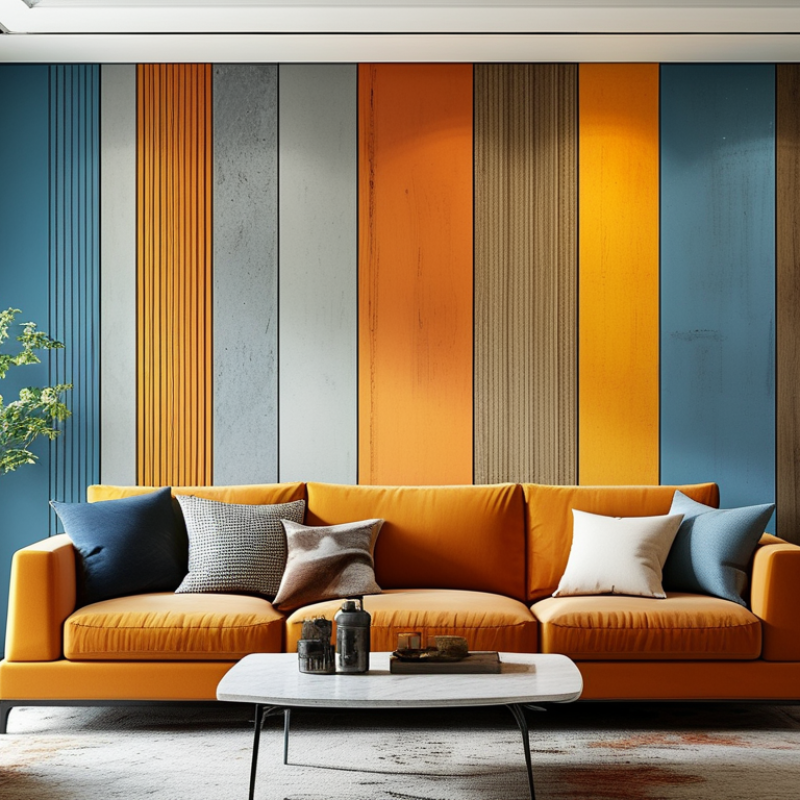
Understanding Different Types of Wall Plates Available in the Market
When choosing a wall plate, consider the various types available. Wall plates serve as protective covers for outlets and switches. They come in many materials, sizes, and designs. Common materials include plastic, metal, and wood. Each material offers a unique look and feel.
Plastic wall plates are lightweight and affordable. They can blend into any decor. Metal plates are more durable and can give a modern look. Wood plates add warmth but may require more maintenance. The finish can also vary. Some have painted surfaces, while others feature natural textures.
Tips: Always consider the installation location. Areas prone to moisture may require special materials. Make sure the plate fits your outlet type. Double-check the size because not all outlets are standard. A mismatched plate can look awkward.
Choosing the right wall plate affects not just aesthetics but functionality. Sometimes, you may find a plate that looks good but doesn’t fit well. This mismatch can lead to issues later. Rethinking your choices can yield better results. Evaluate your needs carefully before making a decision.
Wall Plates Type Distribution
Identifying Your Specific Needs and Usage for Wall Plates
Choosing the right wall plate starts with understanding your specific needs. Are you looking to install electrical outlets, network connections, or audio/video equipment? Each application has unique requirements. For instance, a standard wall plate might suffice for simple electrical needs. In contrast, specialized wall plates may be necessary for complex setups like home theaters.
Consider the location of installation, too. Will you mount outlets in high-traffic areas, or in a quieter space? It’s essential to select materials that can handle daily wear and tear. Plastic wall plates are lightweight and commonly used, but metal plates offer durability. However, they can be prone to scratching. Evaluate aesthetics as well. You want a finish that blends well with your decor.
Reflect on your long-term goals. Are you planning to upgrade your technology? You might need extra port options in the future. Ensure that the wall plate you choose is versatile enough to accommodate changes. Remember that even minor choices can impact functionality. Don’t rush the decision-making process. Consider all factors to choose wisely.
Evaluating Material Options: Plastic, Metal, and More
When selecting the right wall plate for your needs, material is a crucial factor. Three popular options are plastic, metal, and more specialized materials. Each brings distinct advantages and challenges. Plastic plates are lightweight and generally affordable. They resist corrosion and can be easily painted to match your decor. However, they may lack the durability of metal options, especially in high-impact areas.
Metal plates, such as those made from stainless steel or aluminum, offer greater strength and a polished appearance. They are ideal for commercial settings or places with heavy use. However, they may require regular cleaning to maintain their aesthetic appeal. Plus, installing metal plates can be trickier and may not suit every home environment.
Other materials, like ceramic or glass, provide unique visual appeal. They can elevate the look of a room, yet tend to be more fragile. Finding the right balance between visual impact and durability is essential. Ultimately, consider your specific needs, the environment where the plate will be installed, and the overall design of the space.
Considering Compatibility with Your Electrical Devices and Wiring
Choosing the right wall plate requires careful consideration of both your electrical devices and existing wiring. Compatibility is key. The wall plate must not only fit the device but also match the wiring standard in your home. If you overlook this step, it could lead to functionality issues or even safety hazards.
Tips: Always check the electrical ratings. Some devices require more power. Ensure your wall plate can handle the required wattage. Pay attention to the materials as well. Plastic may not offer the same durability and heat resistance as metal options.
Consider the layout of your space. A device that's well-suited for one area might not work effectively elsewhere. Also, think about the aesthetic appeal. The wall plate should blend seamlessly with your decor. If you find yourself drawn to a design that doesn’t match, reconsider your choice. Examine the practical implications rather than just the visual aspects.
How to Choose the Right Wall Plate for Your Needs?
| Type of Wall Plate |
Material |
Size Compatibility |
Applications |
| Standard Wall Plate |
Plastic |
1 Gang |
General use with switches and outlets |
| Decora Wall Plate |
Bakelite |
1 Gang, 2 Gang |
Modern switch and outlet designs |
| Rough-In Wall Plate |
Metal |
Fits various sizes |
Construction phase installations |
| Outdoors Wall Plate |
Weatherproof Plastic |
1 Gang |
Outdoor outlets and switches |
| Ethernet Wall Plate |
Plastic |
1 Gang |
Network connections |
Assessing Aesthetic Factors: Color, Style, and Design Choices
Choosing the right wall plate isn't just about function. It's also about aesthetics. Color, style, and design are crucial factors that impact your interior space. A well-chosen wall plate can enhance the overall look of a room. Consider how the color of your wall plate interacts with your walls. A stark contrast can make a bold statement, while matching tones create a seamless transition.
When evaluating styles, think about the vibe you want to create. Sleek, modern designs can complement minimalist decor. Conversely, intricate patterns may suit a more traditional setting. It’s essential to think about the existing decor. Sometimes, a trendy choice might clash with your current furniture. Reflect on whether the wall plate adds value or distracts from your style.
The design also matters. Some wall plates offer unique textures, which can add depth to a room. However, a design that seems appealing online might not look great in person. Always consider samples when making a choice. Mistakes in selection happen when people overlook the importance of lighting too. Natural light can change how colors appear, leading to a less desirable outcome. It's essential to assess these elements carefully before making a decision.
FAQS
: Wall plates protect outlets and switches from damage. They cover any exposed parts for safety.
Common materials include plastic, metal, and wood. Each material brings a different look and feel.
Some areas may have moisture. Special materials are needed to avoid damage in such places.
Always verify the outlet type and size. Mismatched plates can look awkward and cause issues.
Check if the wall plate fits the device and adheres to your home's wiring standards.
Yes, an ill-fitting wall plate can lead to functionality issues or safety hazards over time.
Ensure the wall plate can handle the required wattage for devices. Not all plates are equally durable.
The wall plate should blend with your decor. If it doesn't fit well visually, reflect on your choice.
Sometimes, a visually appealing plate may not function effectively. Rethinking choices can lead to better results.
Wood plates may need regular upkeep to maintain appearance. Neglect can lead to deterioration over time.
Conclusion
When choosing the right wall plate for your needs, it's essential to understand the various types available on the market. Wall plates come in different materials such as plastic and metal, each offering unique benefits. Identifying your specific requirements based on the functionality of your electrical devices is crucial, as this determines compatibility with your wiring.
Additionally, aesthetic considerations, including color, style, and design, play a significant role in selecting a wall plate that complements your space. By carefully evaluating these factors, you can ensure that the wall plate you choose not only meets your technical needs but also enhances the overall look of your environment.

 Huaya Electric