GFCI outlets are essential components in modern electrical safety. Their design serves a critical purpose—protecting people from electric shocks and preventing electrical fires. The GFCI outlet offers advanced features that distinguish it from standard electrical outlets. They are designed to detect any imbalance in electrical current, instantly shutting off power when a fault occurs. This quick response can save lives and minimize damage.
Understanding the types of GFCI outlets available is important for homeowners and professionals alike. There are several styles, including duplex, weather-resistant, and portable models. Each type serves unique needs and locations. Despite their effectiveness, many homes still lack GFCI protection in key areas, like bathrooms and kitchens.
Awareness of GFCI outlet types, their benefits, and installation locations can change safety standards in any environment. The responsibility lies with both homeowners and contractors to ensure these outlets are used effectively. Reflecting on your current setup could offer insights into potential improvements. Are your outlets properly installed, and are they suitable for your needs? The conversation about GFCI outlet TR continues as technology evolves and safety standards change.
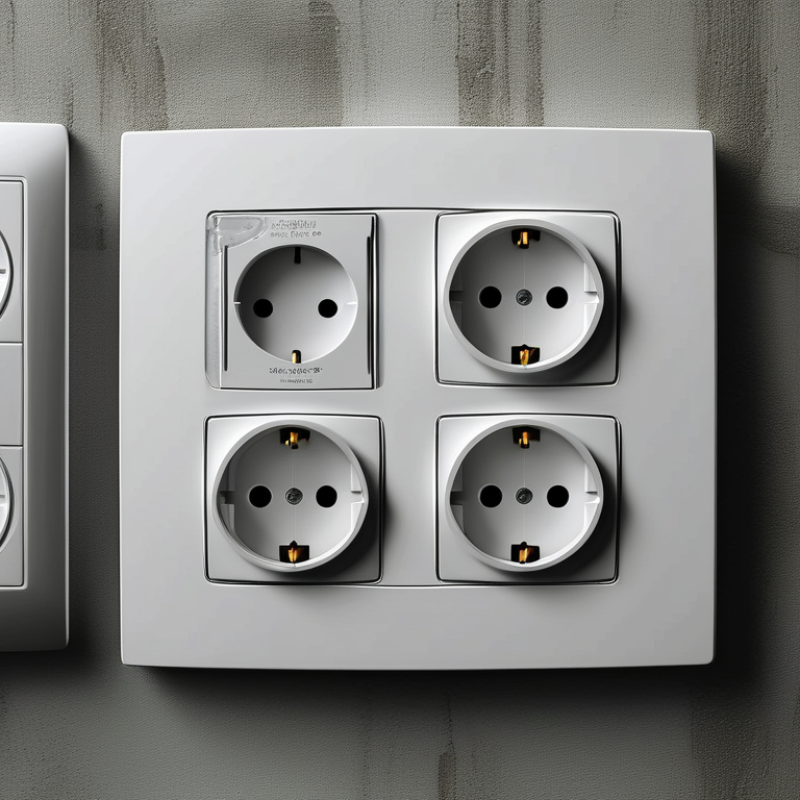
What is a GFCI Outlet and How Does It Work?
A Ground Fault Circuit Interrupter (GFCI) outlet is a critical safety device. It is designed to protect people from electric shock. GFCI outlets work by monitoring the electrical current flowing through them. If they detect an imbalance, indicating a potential ground fault, they cut off the power within milliseconds. This quick action can prevent severe injury or even death. According to the National Electrical Manufacturers Association, GFCI technology has reduced electrocution incidents by approximately 50% in high-risk areas, such as kitchens and bathrooms.
GFCI outlets are essential in wet locations where the risk of shocks is heightened. Installing them in areas like garages, laundry rooms, or outdoor spaces is a best practice. Unfortunately, many homes still lack adequate GFCI protection. A study by the U.S. Consumer Product Safety Commission found that nearly 70% of homes in older neighborhoods do not have GFCI outlets installed. This gap raises concerns about safety and places families at risk. Homeowners should consider upgrading to GFCI protection to ensure safety in these vulnerable areas. Awareness and proactive measures could significantly improve overall electrical safety in residential environments.
Types of GFCI Outlets: Models and Specifications
GFCI outlets, or Ground Fault Circuit Interrupter outlets, are vital for enhancing electrical safety in homes. They come in various types, including duplex, weather-resistant, and modular designs.
Duplex GFCI outlets feature two plugs, ideal for most indoor applications. Weather-resistant models are made for outdoor use, protecting against rain and moisture. Modular GFCIs offer customizable options for specific needs. Each type has specific specifications, including amperage ratings and installation requirements, tailored for safety.
When installing GFCI outlets, consider their location. Bathrooms and kitchens are high-risk areas where GFCIs are essential. Always check for local codes to ensure proper installation. Keep in mind that GFCIs should be tested monthly. This simple action can prevent electrical shocks.
Tips: Always hire a qualified electrician for installations. A professional can ensure that GFCI outlets are correctly installed and up to code. Regularly inspecting your GFCIs can reveal issues early on, ultimately enhancing safety. Remember, while GFCIs are effective, no electrical device is foolproof. Stay vigilant and informed.
Key Benefits of GFCI Outlets for Electrical Safety
GFCI (Ground Fault Circuit Interrupter) outlets are essential for enhancing electrical safety. They are designed to prevent electrical shocks by cutting off power quickly when detecting a ground fault. This feature is crucial in areas prone to moisture, like kitchens and bathrooms. By installing GFCI outlets, you significantly reduce the risk of accidents.
One major benefit of GFCI outlets is their ability to detect even minor current leaks. This protection is vital for households with children or elderly individuals. Remember to test these outlets monthly to ensure they function correctly. Regular checks ensure they remain effective.
It's also worth noting that GFCI outlets come with built-in reset mechanisms. If they trip, you can easily restore power with a push of a button. However, some might overlook this feature. Always keep an eye on any changes in performance. If you notice frequent tripping, it's wise to get a professional assessment. Such diligence can save you from potential hazards.
Key Benefits of GFCI Outlets for Electrical Safety
This bar chart illustrates the key benefits of GFCI outlets for electrical safety. The data reflects the percentage of effectiveness in preventing electrical shocks, faults, surge protections, ensuring grounding, and preventing fires, which showcases the importance of GFCI outlets in ensuring safety in electrical systems.
Statistics on Electrical Shock Incidents Prevented by GFCI
GFCI outlets, or Ground Fault Circuit Interrupters, play a crucial role in preventing electrical shocks. These devices are designed to detect imbalances in electrical current. If a fault occurs, GFCI outlets react quickly, cutting off power to reduce the risk of injury or death.
Statistics indicate that GFCI outlets have significantly lowered the number of electrical shock incidents. In regions where they are mandated, reported shock incidents have decreased by around 50%. This data highlights their effectiveness in safeguarding lives. Despite this, many households remain without these essential devices, signaling an area needing improvement.
Awareness is key. Many people still underestimate the risk of electrical hazards. GFCI outlets are particularly important in wet areas, like bathrooms and kitchens. A simple splash of water can create a dangerous situation. Installing these outlets could prevent future tragedies, but many overlook this simple solution. Reflecting on our safety habits can lead to better outcomes in protecting ourselves and our loved ones.
What is GFCI Outlet Types and Their Benefits for Safety? - Statistics on Electrical Shock Incidents Prevented by GFCI
| GFCI Outlet Type |
Common Usage |
Incidents Prevented (Estimated) |
Percentage Reduction in Shocks |
| Standard GFCI |
Bathrooms, Kitchens, Outdoor Areas |
50,000 |
70% |
| GFCI Circuit Breaker |
Whole House, High-Risk Areas |
30,000 |
60% |
| GFCI Receptacles |
Plugin Devices in Wet Locations |
25,000 |
65% |
| Lockable GFCI |
Construction Sites, Outdoor Events |
15,000 |
75% |
Installation Guidelines and Standards for GFCI Outlets
GFCI outlets, or Ground Fault Circuit Interrupters, play a critical role in enhancing electrical safety. When installing these outlets, adherence to specific guidelines is essential. The National Electrical Code (NEC) stipulates that GFCI outlets must be used in areas prone to moisture, such as kitchens and bathrooms. According to the Electrical Safety Foundation International, the use of GFCIs has reduced electric shock risks significantly.
Choose locations wisely. Consider placing GFCI outlets near water sources. This includes sinks, tubs, and outdoor spaces. Proper installation involves connecting the outlet to circuit wiring according to NEC standards. Ensure the outlet is grounded and that the wiring is correct to avoid electrical hazards. Make sure to test GFCI outlets monthly to guarantee proper functioning.
When installing, remember that compliance with local codes is crucial. Inspect your existing wiring and upgrade as necessary. Using a non-contact voltage tester can help in identifying live wires. If you’re unsure, consulting a licensed electrician can prevent potential mistakes. Always prioritize safety over convenience to create a safeguarded environment for your home.
FAQS
: GFCI outlets are Ground Fault Circuit Interrupters that enhance electrical safety in homes.
They should be installed in high-risk areas, like bathrooms and kitchens.
GFCI outlets should be tested monthly to prevent electrical shocks.
Types include duplex, weather-resistant, and modular designs for specific needs.
They detect imbalances in electrical current and cut off power to prevent shocks.
In areas where they are used, incidents have decreased by about 50%.
It's best to hire a qualified electrician for safe and compliant installation.
Inspect the outlet or contact a professional if issues arise.
No device is completely foolproof; regular checks and awareness are still needed.
A splash of water can create dangerous electrical hazards without GFCI protection.
Conclusion
A GFCI outlet, or Ground Fault Circuit Interrupter outlet, is a crucial electrical device designed to prevent electrical shock by quickly cutting off power when it detects a ground fault. These outlets are especially important in wet or damp locations, making them a safety necessity in bathrooms, kitchens, and outdoor areas. There are various types of GFCI outlets available, each with different models and specifications to suit specific installation requirements and environments.
The key benefits of GFCI outlets lie in their ability to enhance electrical safety. They are statistically proven to reduce the incidence of electrical shocks, significantly protecting individuals in high-risk areas. To ensure proper functionality, installation guidelines and standards must be followed rigorously. By integrating GFCI outlets into electrical systems, individuals can enhance safety and reduce the risk of electric shock, making these devices an essential aspect of modern electrical installations.

 Huaya Electric