Top Power Outlet Trends to Watch in 2026?

Time:2026-06-29 Author:Amelia
0%

The evolution of the Power Outlet industry has been rapid and transformative. According to industry expert Dr. Linda Carter, “Innovation in power outlets is crucial for a sustainable future.” As we look ahead to 2026, several trends will shape the way we use and interact with Power Outlets in our daily lives.

One significant trend is the integration of smart technology. Smart Power Outlets can improve energy efficiency and provide valuable usage data. For example, users can monitor energy consumption through their smartphones. This feature may seem complex, yet it might lead to more sustainable practices.

Another trend is the increased focus on safety features. Modern Power Outlets will likely include enhanced surge protection and child-proof designs. While these features are vital, they also prompt questions about balancing convenience with safety. As we move forward, these developments will redefine our expectations of Power Outlets, making them safer and smarter than ever before.
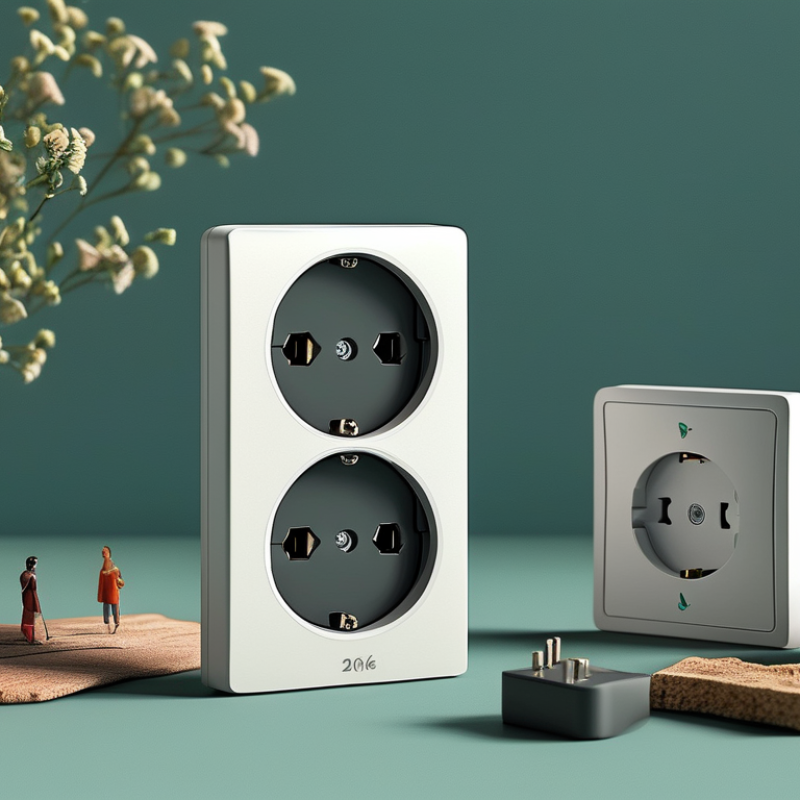
Top Power Outlet Trends to Watch in 2026?

Emerging Smart Outlet Technologies Shaping Future Connectivity in 2026

The future of power outlets is rapidly changing, driven by emerging smart technologies. By 2026, smart outlets will transform home connectivity. These outlets will incorporate advanced features like energy monitoring, remote access, and integration with smart home systems. Imagine controlling your outlets through a smartphone app while away from home. This convenience will not only enhance user experience but also provide energy-saving opportunities.

In addition to convenience, security is a significant concern. Enhanced smart outlets will include safety protections to prevent overloads and short circuits. Some models may even feature facial recognition or voice activation. These technologies aim to mitigate risks but also raise questions about privacy. How secure is your data in these connected devices?

With increased connectivity, the need for standardization arises. As manufacturers innovate, users may face a confusing array of options. Compatibility will be crucial for seamless integration within existing smart home ecosystems. This uncertainty highlights the importance of informed choices. Staying updated with reliable resources will help consumers navigate the evolving landscape of smart outlets.

The Rise of Sustainable Materials in Power Outlet Manufacturing Trends

The power outlet manufacturing industry is shifting towards sustainability in 2026. A significant trend is the adoption of eco-friendly materials. According to a report by the International Energy Agency, over 30% of power outlets will be made from sustainable resources by 2026. This shift reflects a growing awareness of environmental impact.

Using recycled plastics and bio-based materials in outlets can reduce carbon footprints. The Global Sustainable Materials Report notes that companies are exploring alternatives to traditional materials. This approach isn't just about compliance; it's about creating products that resonate with environmentally conscious consumers. Manufacturers face challenges in balancing performance and sustainability, which requires continual innovation.

However, the transition isn’t straightforward. Quality concerns arise when using new materials. Ensuring durability is crucial for consumer trust. Experts emphasize the need for rigorous testing of these sustainable products. The movement towards greener outlets is promising but needs careful evaluation to guarantee safety and reliability. The industry must embrace these innovations with a critical eye, focusing on both sustainability and high standards.

Impact of IoT Integration on Home and Commercial Power Outlets

The integration of the Internet of Things (IoT) into power outlets is revolutionizing energy usage in homes and businesses. By 2026, IoT-enabled outlets are projected to account for over 30% of the market, according to a recent industry report. These outlets provide unprecedented control over power consumption, allowing users to monitor and manage their devices remotely. Smart features enable homeowners to optimize energy efficiency, reducing costs.

More commercial spaces are adopting IoT technology. A study indicates that over 70% of businesses will utilize smart outlets by 2026. This shift can lead to substantial energy savings and a reduced carbon footprint. However, challenges remain. Many users still struggle with installation and integration. Upfront costs can deter smaller enterprises from making the switch.

Security concerns also persist. As power outlets become interconnected, vulnerabilities could arise. Experts suggest that manufacturers must enhance cybersecurity measures. Ensuring robust encryption is critical to protect sensitive data. The evolving landscape of power outlets calls for vigilance and adaptation from both consumers and businesses alike.

Top Power Outlet Trends to Watch in 2026

User-Centric Designs: Enhancing Functionality in 2026 Power Outlets

As we look toward 2026, user-centric designs in power outlets will take center stage. According to a recent report from the International Energy Agency, over 70% of homes are expected to have smart outlets. This shift indicates a growing need for adaptability in outlet design, meeting the diverse needs of today's consumers. Improved functionality will be essential, focusing on enhanced usability and safety.

Design elements like USB-C ports and wireless charging will likely become standard. Research from the Consumer Electronics Association shows that 62% of users prefer outlets integrating these features for convenience.

Yet, with innovation comes the challenge of accessibility. Designers need to ensure that these new outlets are easy to reach, even for children and individuals with disabilities.

Aesthetic appeal is another critical factor. The design should seamlessly blend with modern interiors while providing high functionality. As the industry evolves, it will be essential to address potential issues. User feedback will be vital in refining designs.

Ensuring these outlets meet safety standards while remaining user-friendly must remain a top priority. Balancing innovation and practicality will shape the outlets of the future.

Regulatory Changes and Their Influence on Future Power Outlet Standards

The landscape of power outlets is poised for significant transformation due to evolving regulations. As we look toward 2026, these regulatory changes will likely shape standards for safety, energy efficiency, and user accessibility. Governments worldwide are increasingly prioritizing sustainability, pushing for outlets that support renewable energy sources. Increased compliance will mean manufacturers must innovate rapidly.

Designing power outlets will demand enhanced versatility. Future designs may need to accommodate multiple voltage levels and improve charging speeds. User convenience will also be crucial. Outlets that integrate smart technology could allow control via smartphones or voice commands. This evolution necessitates collaboration between regulatory bodies and manufacturers.

**Tip:** Consider the layout of your power outlets during renovations. Ensure easy access for all users.

Consumer awareness and advocacy will play a role as well. Users should understand their power needs and safety regulations. Engaging with community discussions will help in advocating for better standards. Thus, the future of power outlets is not just in the hands of manufacturers; it also relies on informed and active consumers.

**Tip:** Stay informed about upcoming regulations and industry standards to future-proof your home.

Top Power Outlet Trends to Watch in 2026

Trend Description Regulatory Influence Projected Adoption Rate (%)
Smart Outlets Outlets with built-in connectivity features for smart homes. New energy efficiency regulations encourage smart technology integration. 65%
Universal Compatibility Designing outlets that accept various plug types for global use. Emerging international standards push for universal socket designs. 50%
Environmental Standards Outlets designed with materials and processes that reduce environmental impact. Stricter environmental regulations are in place for manufacturing processes. 70%
Integrated USB Ports Power outlets with integrated USB charging capabilities. Regulations promoting charging station installations encourage this trend. 80%
Wireless Charging Incorporating wireless charging pads into outlets. Regulatory frameworks are evolving to accommodate new charging technologies. 55%

FAQS

: What are smart outlets expected to do by 2026?

: Smart outlets will offer energy monitoring, remote access, and integration with other smart systems.

How will users control smart outlets?

Users will control outlets via smartphone apps, enhancing convenience while away from home.

What security features might smart outlets offer?

Some may include overload protection, facial recognition, and voice activation to enhance safety.

What is a significant concern regarding smart outlets?

Privacy is a major concern. Users question data security in connected devices.

How prevalent will IoT-enabled outlets be by 2026?

IoT-enabled outlets are projected to make up over 30% of the market by 2026.

What challenges do users face with smart outlet installation?

Installation and integration can be complicated, potentially deterring some users.

What are some design features expected in future outlets?

Features like USB-C ports and wireless charging will likely become standard.

Why is user feedback important for outlet design?

Feedback helps refine designs, ensuring outlets are safe and user-friendly for everyone.

How might aesthetics impact the design of future outlets?

Designs need to blend with modern interiors while maintaining functionality.

What balance must designers achieve in future outlet designs?

There must be a balance between innovation and practicality to meet user needs.

Conclusion

The article titled "Top Power Outlet Trends to Watch in 2026" explores several significant developments that are set to reshape power outlet technologies in the near future. One of the key trends is the emergence of smart outlet technologies, which enhance connectivity and user convenience through IoT integration. This shift enables power outlets to interact with various devices, promoting seamless automation in both home and commercial environments.

Additionally, there is a notable rise in the use of sustainable materials in power outlet manufacturing, reflecting a growing awareness of environmental impact. User-centric designs are also gaining attention, aiming to enhance functionality and convenience for users. Furthermore, ongoing regulatory changes are expected to influence future power outlet standards, ensuring safety and performance in an evolving technological landscape. Together, these trends indicate a significant transformation in how power outlets are designed and utilized by 2026.


Amelia

Amelia

Amelia is a seasoned marketing professional with a wealth of expertise in our company’s core offerings. With an unwavering passion for driving growth and innovation, she plays a pivotal role in shaping our marketing strategies and enhancing brand visibility. A key aspect of her responsibilities......