In the ever-evolving world of consumer electronics, the importance of selecting the right electrical outlet cannot be overstated. Dr. Lisa Chen, a renowned expert in electrical engineering, states, "Choosing the right outlet can greatly impact both safety and efficiency." With China emerging as a key player in the global market, buyers are presented with a wealth of options.
Understanding the diverse needs of international buyers is crucial. Each electrical outlet in China is designed to meet specific regional standards and consumer preferences. However, this variety can also generate confusion. Navigating the landscape of electrical outlets requires careful consideration and expertise. Many buyers may overlook vital details, leading to mismatched products in their installations.
It's essential to approach this topic with a blend of knowledge and awareness. While China's options are impressive, they can pose challenges. Investing time in understanding the nuances is not just beneficial; it's necessary. Ultimately, selecting the right electrical outlet can enhance both functionality and safety, underscoring the relevance of informed choice in today’s global marketplace.
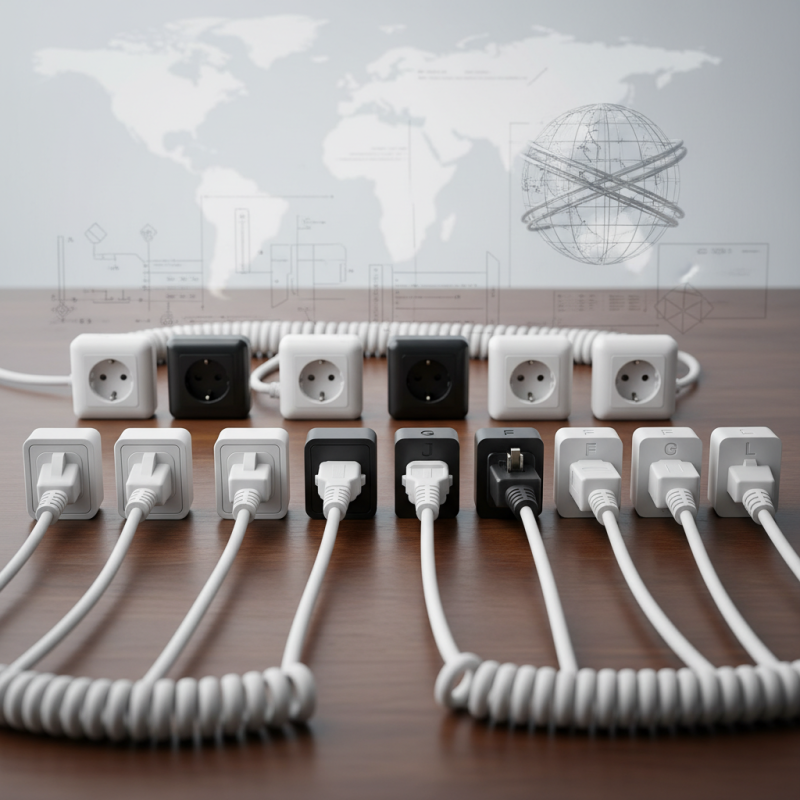
Top 10 Electrical Outlet Types Commonly Used in China
When exploring electrical outlets in China, understanding the common types is essential for global buyers. China primarily uses
Type A,
Type C, and
Type I outlets.
Type A, with two flat parallel pins, is prevalent in older appliances. Type C features two round pins and is widely used in various devices. Type I, which has three flat pins in a triangle formation, is common for larger appliances.
Buyers should also note that not all outlets provide the same voltage. China's standard voltage is 220V, and this can affect device compatibility. Always check your devices to avoid damage. Consider using a voltage converter if your devices are rated for lower voltages.
Tip: When traveling, pack a universal travel adapter. This can save you time and frustration. Always look for an adapter that supports multiple plug types and voltages. Remember, sometimes less is better. Avoid overloading a single outlet with multiple devices; this can lead to safety hazards. Understanding these basics will enhance your experience while navigating China’s electrical landscape.
Key Specifications and Standards for Each Outlet Type
When considering electrical outlets in China, understanding specifications is crucial. Current standards are often detailed in the National Standards of China, which specify parameters for safety and compatibility. The most common types include Type A, B, and C, each with unique designs and voltage ratings. For instance, Type A has two flat parallel pins and operates at 220V, while Type C features two round pins.
In a recent report by the China National Institute of Standardization, about 90% of households use Type A and C outlets. These outlets adhere to safety requirements outlined in GB 2099.1. This ensures proper grounding and prevents electrical hazards. Buyers should also consider the variance in plug shapes, as compatibility can be a challenge.
Challenges persist when adapting to these outlet systems. Some international plugs may face difficulties fitting into domestic sockets, leading to the need for adapters. The diversity of outlet types can confuse global buyers. Awareness of specifications can ease these issues and promote safer use. Understanding these standards fosters better decisions for electrical products in the market. Ensuring compliance with local regulations is essential for any buyer navigating China's electrical landscape.
Compatibility of Chinese Outlets with Global Plug Types
In China, electrical outlets vary significantly from those in other parts of the world. The most common types include Type A, Type I, and Type C. Many visitors may find their plugs do not fit into these outlets. It is crucial to check the compatibility between devices and local outlets before traveling.
The Type A outlet features two flat parallel pins, while Type I has three flat pins in a triangular formation. Type C, also known as the Europlug, is suitable for devices from Europe. This mismatch often leads to inconvenience. Travelers might need adapters to use their electronic devices. However, not all adapters are created equal. Some may not support certain voltage levels, which can be problematic.
It’s important to research plug compatibility beforehand. Many travelers forget that high-powered devices may require a converter, in addition to an adapter. Misunderstandings about wattage can lead to device damage. Always examine your equipment's specifications before plugging in. Recognizing these details can enhance your travel experience in China and minimize the risk of electrical mishaps.
China Top 10 Electrical Outlet Options for Global Buyers
| Outlet Type |
Compatibility |
Max Voltage (V) |
Max Current (A) |
Common Usage |
| Type A |
North America, Japan |
100-125 |
15 |
Electronics |
| Type C |
Europe, South America |
220-240 |
2.5 |
Widely used in appliances |
| Type I |
Australia, China |
220-240 |
10 |
Home appliances |
| Type G |
UK, Hong Kong |
220-240 |
13 |
Power tools, appliances |
| Type N |
Brazil |
100-240 |
10 |
Modern appliances |
| Type E |
France, Belgium |
220-240 |
16 |
Home electronics |
| Type F |
Germany, Austria |
220-240 |
16 |
Household items |
| Type K |
Denmark, Greenland |
230 |
16 |
Devices and appliances |
| Type L |
Italy |
220-240 |
10 |
Household and office |
| Type M |
South Africa |
220-240 |
16 |
Large appliances |
Popular Manufacturers of Electrical Outlets in China
When exploring electrical outlet options in China, several popular manufacturers stand out. They specialize in producing reliable and efficient products. The competition in this sector is robust, with many manufacturers focusing on quality and innovation.
One key aspect to consider is safety standards. Ensure that the outlets meet international safety certifications. This is crucial for ensuring user protection against electrical hazards. Some manufacturers emphasize sustainable materials, which can appeal to eco-conscious buyers.
Tips: Always examine product specifications before purchase. Look for features like surge protection and child safety mechanisms. Keep an eye on customer reviews to gauge reliability. You should also consider the warranty period offered by manufacturers.
Given the diverse range of products, understanding your specific needs is vital. Different regions may have unique electrical requirements. So, what works in one country may not be suitable for another. Balancing cost and quality is essential but can be tricky. Look for options that fit your budget without compromising safety.
Best Practices for International Buyers When Sourcing Outlets
When sourcing electrical outlets from China, international buyers must approach the process with due diligence. It's crucial to understand the specifications required for different regions. According to a 2022 report by the International Electrotechnical Commission (IEC), electrical outlet compatibility varies significantly across countries. For example, plug types in North America differ from those in Europe and Asia. This can lead to costly mistakes if not considered.
Buyers should focus on quality assurance. A survey by the China Quality Certification Centre (CQC) revealed that approximately 30% of electrical products fail to meet international safety standards. Verifying compliance with safety certifications is essential. Demand certifications like CE, UL, or CCC for your chosen products. This step builds trust and reduces the risk of electrical hazards.
Communication with suppliers is vital. Clear specifications ensure you receive the correct products. Misunderstandings can occur, causing delays and increased costs. Establishing a robust feedback loop is beneficial. Regular discussions can help clarify expectations and improve product quality. Paying attention to the nuances in sourcing can lead to better outcomes, despite the complexities involved.
Conclusion
The article "China Top 10 Electrical Outlet Options for Global Buyers" provides a comprehensive overview of the various electrical outlet types commonly found in China. It details the key specifications and standards associated with each outlet type, offering crucial insights for international buyers. The compatibility of Chinese outlets with different global plug types is thoroughly examined, highlighting the importance of understanding these variations for seamless usage.
Additionally, the article outlines popular manufacturers of electrical outlets in China, outlining best practices for international buyers when sourcing these products. By emphasizing safety, standards, and compatibility, this resource serves as a valuable guide for anyone looking to purchase electrical outlets from China, ensuring informed decisions and optimal product selection.

 Huaya Electric