Top 10 Sockets Switches You Need to Know About?

Time:2026-08-08 Author:Madeline
0%

In recent years, the demand for sockets switches has surged significantly. A report by Technavio highlights that the global electrical sockets market is projected to grow by over 7% annually from 2023 to 2027. This growth reflects the increasing reliance on smart technology in homes and businesses. As homes integrate more electronic devices, efficient socket switches become vital.

Understanding the top 10 sockets switches can optimize energy consumption and enhance user experience. These devices are more than just simple connections; they are crucial for safety and efficiency. For instance, modern sockets switches offer features like USB ports and energy monitoring capabilities. A study published in the Journal of Energy Management emphasizes that using advanced switches can reduce energy wastage by at least 15%.

However, it's important to recognize that not all sockets switches are created equal. Some products may lack essential safety certifications or fail to meet local regulations. This inconsistency can lead to potential hazards, emphasizing the need for careful selection. Choosing reliable sockets switches requires thorough research and consideration of quality, safety, and functionality. As we explore the top options available, it's essential to weigh both their advantages and shortcomings.
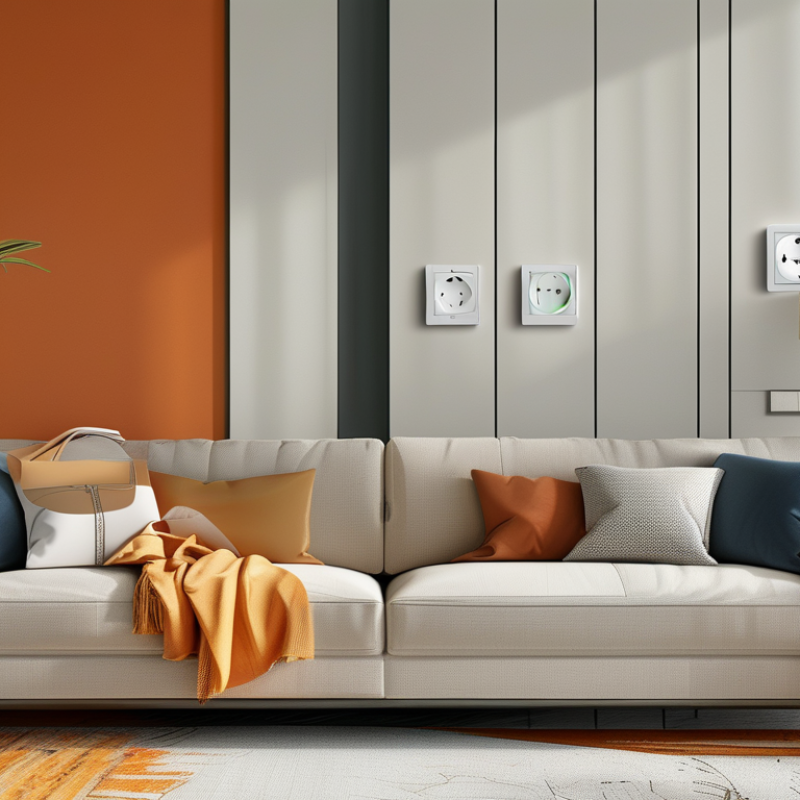
Top 10 Sockets Switches You Need to Know About?

Overview of Sockets and Switches in Electrical Systems

Sockets and switches are essential components in electrical systems, facilitating safe connectivity and control. Industry reports indicate that the global market for electrical sockets and switches is projected to reach over $70 billion by 2026, reflecting their crucial role in our daily lives. These devices not only provide power to various appliances but also play a significant role in energy efficiency and safety. Poor choices in sockets and switches can lead to electrical hazards, making knowledge about these products vital.

Electrical sockets come in different designs and ratings, tailored for various applications. For instance, standard wall sockets are often rated at 15A or 20A, suitable for most household devices. In a commercial setting, you might encounter special outlets designed to handle higher demands. Switches, meanwhile, control the flow of electricity and can vary in function from simple toggle switches to advanced dimmers. According to recent studies, using advanced switches can reduce energy consumption by up to 30%.

Users should consider quality and compliance with safety standards. Yet, many overlook these factors, potentially leading to hazardous situations. Installation errors can also compromise safety, highlighting the need for professional guidance. Understanding the specifications of sockets and switches is crucial for ensuring both functionality and safety in any electrical system.

Understanding Different Types of Sockets and Their Uses

When it comes to electrical installations, understanding the different types of sockets and their uses is crucial. According to a recent report by the International Electrotechnical Commission, there are over 20 different socket types worldwide. Each type serves specific needs based on voltage, location, and electrical load. For example, the standard Type G socket is common in the UK and is designed for high-wattage appliances.

Energy consumption data indicates that residential energy use can be reduced by 20% through efficient socket choices. Smart sockets allow users to control energy usage, enhancing both convenience and savings. However, not all smart sockets are compatible with various devices, leading to user frustration. Many reports highlight this compatibility issue, which remains a challenge for consumers.

It's essential to evaluate the benefits and limitations of each socket type. For example, while USB sockets offer ease for charging gadgets, they may limit the number of available power outlets for larger devices. Reports suggest that inadequate socket planning can result in inconvenience and increased energy costs. Understanding these nuances can greatly improve user experience and functionality in any setting.

Top 10 Sockets Switches You Need to Know About

Socket Type Description Applications Key Features
Type A NEMA 1-15, 2-prong, primarily used in North America Mobile devices, lamps Simple design, compact
Type B NEMA 5-15, 3-prong, grounded variant of Type A Computers, appliances Grounded for safety, versatile
Type C Europlug, 2-prong socket, widely used in Europe Laptops, chargers Lightweight, non-polarized
Type D 3-pin socket used primarily in India and Nepal Fans, lights Robust, stable connection
Type E French socket, 2-pin with a hole for the ground pin Household appliances Grounding for safety, compatible
Type F Schuko, grounded socket used in Germany and other countries Washing machines, refrigerators High current capacity, secure fit
Type G British socket, 3-pin configuration TVs, gaming consoles Shuttered for safety, robust
Type H Israel's unique three-prong socket Heating appliances Old design, high capacity
Type I Used in Australia and China, with two flat pins Electronics, kitchen appliances Versatile, compact
Type J 3-pin Swiss socket Stereos, lamps Stable, widely used in Switzerland

Key Features to Consider When Choosing Switches

When selecting socket switches, understanding key features is crucial for effective decision-making. Key considerations include load capacity, compatibility, and ease of installation. According to the latest industry report by MarketsandMarkets, the global smart switch market is predicted to reach $11 billion by 2025. This growth highlights the increasing reliance on technology in our everyday lives.

Load capacity is one feature that cannot be overlooked. It determines how much power can safely flow through the switch without causing damage. Choose switches that accommodate your devices' power needs. Compatibility with home automation systems is another critical aspect. A switch that integrates with other smart home devices can enhance user convenience. Remember, not all switches are created equal; features vary greatly.

Tip: Always check the specifications to avoid mismatches. Understand your needs and the demands of your home system. Installation ease is often underestimated. Complicated systems can lead to frustration during setup. Opt for switches that come with clear instructions or seek professional help to ensure proper functionality. You don’t want to face unexpected issues later.

Top 10 Recommended Socket Switches for Home and Office

When it comes to enhancing your home or office workspace, selecting the right socket switch is key. The ideal socket switch should not only fit your decor but also offer functional benefits. Look for models that offer multiple outlets, USB ports, and surge protection. These features can help keep your devices safe while ensuring you have enough power sources for all your gadgets.

Consider the convenience of smart socket switches, which allow remote control via smartphone apps. This feature enables you to manage your devices effortlessly, even when you're away. Many switches also provide energy monitoring. This can help you identify energy consumption patterns. Knowing how much energy each device uses can lead to better efficiency. However, some smart models may have a learning curve or depend on stable Wi-Fi.

For traditional setups, focus on durability and safety features. Ensure that the switch has certifications for residential use. Look for options that have protective shutters to prevent accidental contact. This is especially important in homes with young children. While there are many choices available, always reflect on your specific needs before making a decision. Sometimes, the simplest options can be the most effective.

Top 10 Socket Switches - Usage and Ratings

Safety Tips for Installing and Using Electrical Sockets and Switches

When it comes to electrical safety, proper installation and use of sockets and switches are vital. According to the National Fire Protection Association (NFPA), electrical failures cause roughly 47,000 home fires annually. These statistics highlight the importance of ensuring that your electrical fittings meet safety standards.

Using proper tools and techniques during installation is crucial. For instance, always turn off the power at the breaker before working on sockets. Also, avoid overloading circuits. Research indicates that overloaded circuits are responsible for nearly 23% of electrical fires. It's wise to use sockets that have built-in safety features, like child-proof designs. Small children can easily insert objects into outlets, leading to dangerous electrical shocks.

Effective maintenance is equally important. Regularly check for signs of damage or wear. Look for discoloration or loose wiring, often overlooked yet critical indicators. The Electrical Safety Foundation International (ESFI) suggests replacing any damaged sockets immediately. Even small issues can lead to potential hazards. Taking simple precautions can greatly reduce risks in your home environment.

FAQS

: What are the main functions of sockets and switches?

: Sockets provide power to appliances. Switches control the flow of electricity.

How do I ensure safety when choosing sockets?

Look for quality and safety compliance. Avoid poor-quality products to prevent hazards.

What load capacity should I consider for switches?

Choose switches based on the power needs of your devices. Mismatches can lead to damage.

Why is compatibility important in socket switches?

Compatibility with home automation systems enhances convenience. Not all switches work with every system.

How can advanced switches help save energy?

Advanced switches can reduce energy consumption by up to 30%. They are worth considering for efficiency.

What should I keep in mind during installation?

Installation ease is important. Complicated setups can lead to frustration and unsafe conditions.

Why is it crucial to understand specifications?

Specifications help ensure functionality and safety. Knowing them prevents unexpected issues later.

Can installation errors create safety risks?

Yes, installation mistakes can compromise safety. Professional guidance can be beneficial.

How do design and rating of sockets vary?

Different sockets have different designs and ratings for household or commercial use. Choose accordingly.

What should I do if I face issues after installation?

If problems arise, reassess installation and specifications. Seeking help can resolve these issues.

Conclusion

This article provides a comprehensive overview of Sockets Switches, essential components in modern electrical systems. It begins with an introduction to the functionality of sockets and switches, explaining their critical roles in enabling electricity distribution and managing power in homes and offices. The article then explores the various types of sockets, detailing their specific applications and highlighting the importance of selecting the right type for different needs.

Furthermore, the piece emphasizes key features to consider when choosing switches, such as safety ratings and ease of installation. It culminates in a curated list of the top 10 recommended socket switches suitable for both home and office environments. Additionally, the article provides crucial safety tips for the installation and usage of these electrical components, ensuring that readers are well-informed about maintaining both functionality and safety when working with sockets switches.


Madeline

Madeline

Madeline is a dedicated marketing professional with a wealth of expertise in our company's core offerings. With a keen understanding of the industry, she brings a unique perspective to her role, consistently delivering high-quality content that highlights the superior aspects of our products. As......