Top 10 Duplex Outlet Tamper Resistant Options?

Time:2026-10-28 Author:Sienna
0%

Choosing among the Top 10 Duplex Outlet Tamper Resistant options requires more than comparing colors and prices. A reliable receptacle must protect children, support daily electrical loads, and fit the installation environment. It should also provide secure terminal connections, durable shutters, clear labeling, and recognized safety testing.

John Drengenberg, a longtime consumer safety expert at UL Solutions, explains, “Tamper-resistant receptacles help prevent children from inserting objects into electrical slots.” That principle remains practical in family rooms, classrooms, clinics, and busy commercial spaces. A well-designed Duplex Outlet Tamper Resistant model keeps its internal shutters closed until equal pressure reaches both openings.

Small details matter. Check the outlet’s amperage, voltage, grounding method, and compatibility with the existing box. Look for markings related to UL 498 or other applicable certification requirements. Installation quality matters just as much. Loose wires, shallow boxes, or poor grounding can weaken even an excellent product.

Not every premium-looking outlet performs better. Some models have stiff shutters, difficult side terminals, or faceplates that sit unevenly. I have seen specifications appear impressive while the actual installation felt frustrating. That deserves attention.

This guide compares ten practical options through safety features, construction, ease of installation, weather resistance, child protection, and overall value. The ranking is not absolute. A contractor may prefer stronger terminals, while a homeowner may value smoother insertion. The best choice depends on the room, the circuit, and the people using it. Read carefully. The cheapest option may not be the wisest one.
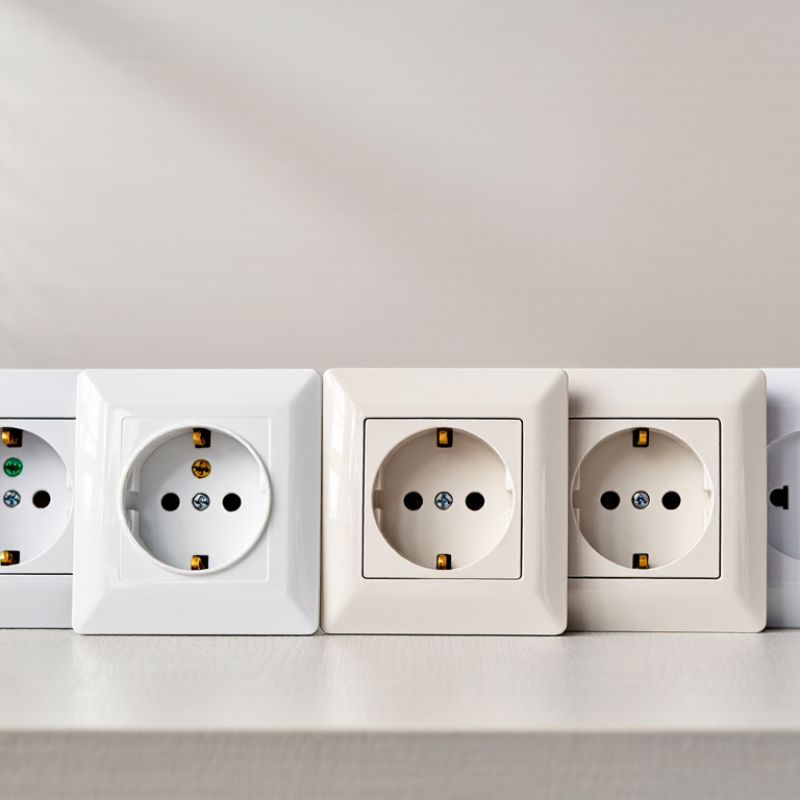
Top 10 Duplex Outlet Tamper Resistant Options?

What Are Tamper-Resistant Duplex Outlets?

Tamper-resistant duplex outlets are receptacles with two plug locations and built-in shutters behind the openings. Those shutters block access to internal contacts when only one slot is pressed. A normal plug opens them through equal pressure from both blades. That small mechanical detail matters in homes with curious children. It is not a lock.

During inspection, I look for a clear TR marking and a firm, even shutter response. Insert a plug straight, without forcing it. If one blade enters alone, the shutter should remain closed. A reliable installation also requires correct grounding, secure terminals, and a cover plate that sits flat. Power should be off before inspection or replacement. A receptacle tester can reveal some wiring problems, but it cannot confirm every safety condition.

These outlets suit bedrooms, play areas, kitchens, and other accessible locations. Yet they do not replace supervision or safe cord habits. They are not flawless. Dust, paint, or a damaged shutter can affect operation over time. I would replace an outlet that feels loose, sparks, shows heat discoloration, or needs repeated force. Local electrical rules may define where tamper resistance is required. When uncertain, a licensed electrician can verify the circuit instead of guessing.

Key Features to Compare Among the Top 10 Options

When comparing the top 10 duplex tamper-resistant outlets, start with the shutter mechanism. It should block foreign objects while opening smoothly for a standard plug. Test several plugs, not just one. Some shutters feel stiff at first. A 15-amp or 20-amp rating must match the circuit and installation requirements. Check the terminal design, too. Screw terminals usually provide a clearer connection than push-in openings, although installation quality matters more than appearance.

Grounding is another major comparison point. Look for a secure grounding path, a clearly marked terminal, and a face that sits flat against the wall plate. In practical checks, poorly aligned outlets can leave gaps around the cover. That feels minor, but it can collect dust and reduce confidence. Heat resistance, impact strength, and wire-clamp quality also deserve attention. A heavier body does not automatically mean better performance.

Do not overlook certification markings. Verify that the approval applies to the exact model, rating, and intended environment. For kitchens, workshops, or damp locations, confirm whether additional protection is required by local electrical rules. A simple comparison table can track shutter force, terminal type, grounding method, temperature rating, and warranty terms. Marketing language can sound impressive. Actual documentation matters more. I have found that the easiest outlet to install is not always the easiest to inspect later. That is worth reconsidering.

Top 10 Duplex Outlet Tamper-Resistant Designs Explained

Tamper-resistant duplex outlets use internal shutters to block foreign objects until both slots receive equal pressure. The U.S. Consumer Product Safety Commission reported that these receptacles could prevent 50% to 75% of child receptacle injuries. That figure supports careful selection, not blind purchasing. Installation quality still matters.

The ten main designs include standard TR duplex, decorator-style TR, weather-resistant TR, and GFCI/TR combination units. A hospital-grade TR model adds stronger contact retention for demanding locations. A self-closing version helps reduce dust and moisture exposure. A shallow-body design suits tight electrical boxes. A front-access test design makes routine GFCI checks easier. Some models include indicator lights for quick status checks. That small light can be surprisingly useful.

The final options include isolated-ground TR outlets for sensitive equipment and floor-rated TR receptacles for offices or finished rooms. Weather-resistant models usually use corrosion-resistant materials and protective covers. The National Electrical Code requires tamper-resistant receptacles in many dwelling areas, while local adoption can differ. Check the applicable edition before specifying them. In field inspections, I look for firm shutter action, secure mounting, correct grounding, and visible test results. A loose outlet undermines an excellent design. I would not treat a decorative face as proof of safety. The CPSC data is useful, but it does not measure every installation condition. That limitation deserves attention.

Top 10 Duplex Outlet Tamper Resistant Options? - Top 10 Duplex Outlet Tamper-Resistant Designs Explained

A practical comparison of common tamper-resistant duplex receptacle designs used in residential, commercial, industrial, healthcare, and specialty installations.

Rank Duplex Outlet Design Typical Rating Common NEMA Configuration Tamper-Resistant or Protective Feature Typical Physical Characteristics Recommended Application
1 Standard 15 A Tamper-Resistant Duplex 15 A, 125 V 5-15R Spring-loaded shutters remain closed until equal pressure is applied to both contact openings. Approximately 4.1 in high × 1.3 in wide; fits a standard single-gang box and wall plate. General residential rooms, bedrooms, living areas, offices, and light-duty commercial spaces.
2 20 A Tamper-Resistant Duplex 20 A, 125 V 5-20R Built-in shutters help prevent insertion of small objects while supporting higher branch-circuit capacity. Usually similar in size to a standard duplex receptacle; requires a 20 A branch circuit when used at its full rating. Kitchens, workshops, utility rooms, garages, and equipment areas requiring a 20 A receptacle.
3 GFCI/Tamper-Resistant Duplex 15 or 20 A, 125 V 5-15R or 5-20R Combines tamper-resistant shutters with ground-fault protection that disconnects power when leakage is detected. Deeper than a standard receptacle, commonly about 1.6–2.0 in deep; includes test and reset controls. Bathrooms, kitchens, garages, unfinished basements, laundry areas, and outdoor-related indoor locations.
4 Weather-Resistant Tamper-Resistant Duplex 15 or 20 A, 125 V 5-15R or 5-20R Uses tamper-resistant shutters and corrosion-resistant construction intended to withstand damp or wet-location exposure when properly covered. Typically standard single-gang size; must be installed with an approved weatherproof cover in exposed locations. Porches, decks, patios, exterior walls, garages, and other damp or wet locations.
5 Self-Testing GFCI/Tamper-Resistant Duplex 15 or 20 A, 125 V 5-15R or 5-20R Provides tamper-resistant shutters and automatically checks key ground-fault protection functions at regular intervals. Usually deeper than a conventional receptacle and includes test, reset, and status-indicator features. Locations where ongoing GFCI monitoring is desirable, including kitchens, bathrooms, garages, and commercial facilities.
6 Hospital-Grade Tamper-Resistant Duplex 15 or 20 A, 125 V 5-15R or 5-20R Combines tamper-resistant shutters with enhanced grounding, retention, durability, and performance requirements for healthcare use. Often has a reinforced body and stronger terminal construction; physical size remains compatible with standard boxes. Patient-care areas, clinics, treatment rooms, laboratories, and other healthcare environments where specified.
7 Isolated-Ground Tamper-Resistant Duplex 15 or 20 A, 125 V 5-15R or 5-20R Provides tamper-resistant shutters and a separate insulated grounding path intended to reduce electrical noise on sensitive circuits. Commonly identified by an isolated-ground marking or color convention; installation requires compatible wiring and panel equipment. Computer rooms, audio/video systems, laboratory equipment, and sensitive electronic installations.
8 Commercial-Grade Specification Tamper-Resistant Duplex 15 or 20 A, 125 V 5-15R or 5-20R Uses tamper-resistant shutters with stronger contacts, heavier terminals, and improved resistance to frequent plugging and unplugging. Generally fits standard single-gang boxes; may accept side-wire and back-wire terminations depending on construction. Schools, offices, retail spaces, public buildings, and other high-use commercial areas.
9 Decorator-Style Tamper-Resistant Duplex 15 or 20 A, 125 V 5-15R or 5-20R Uses a rectangular decorator face with integrated shutters to provide a cleaner appearance and child-resistant protection. Rectangular front profile; requires a compatible decorator wall plate and fits a standard single-gang electrical box. Modern residential interiors, offices, hotels, classrooms, and installations emphasizing a uniform appearance.
10 USB-Integrated Tamper-Resistant Duplex 15 or 20 A, 125 V 5-15R or 5-20R Combines tamper-resistant AC receptacle openings with integrated USB charging ports; USB output is separate from the AC rating. Typically deeper than a standard receptacle because of the internal charging electronics; requires adequate box depth. Bedrooms, kitchens, offices, hospitality rooms, workspaces, and charging areas where a separate adapter is inconvenient.
Selection note: Actual dimensions, terminal arrangements, certifications, and available ratings vary by product design. Verify the applicable electrical code, branch-circuit rating, box depth, grounding method, and required certification before installation.

How to Choose the Right Outlet for Each Application

Top 10 Duplex Outlet Tamper Resistant Options?

Choosing the right tamper-resistant duplex outlet starts with the application, not appearance. For bedrooms, living rooms, and offices, select a standard grounding model with the correct amperage and voltage rating. Kitchens and laundry areas may need a ground-fault protective outlet, especially near water. Use weather-resistant construction for covered outdoor locations. Damp spaces require careful enclosure planning. They are not the same.

For children’s rooms, childcare areas, and classrooms, choose outlets with firm internal shutters and durable faceplates. Hospitals, workshops, and commercial spaces may need hospital-grade or high-cycle designs. Consider locking outlets for equipment that must remain connected. USB-integrated versions can suit desks, but they add electronics that may fail earlier. A split duplex configuration can control separate loads, when the wiring supports it. For older buildings, shallow or back-wire-compatible models may simplify installation.

Check the box depth before purchasing. A crowded box can loosen terminals and create heat, even when the outlet looks secure. Match the outlet rating to the circuit, wire size, and protective device. Local electrical requirements still control the final choice. A qualified electrician should verify these details. The most expensive option is not always the safest. I would also inspect shutter movement, terminal grip, and plate alignment after installation. Small flaws matter. Many selection mistakes come from choosing by room name alone, while the actual load and moisture level tell a different story.

This comparison uses common North American duplex tamper-resistant configurations. The planning limit is 80% of the circuit rating for continuous loads: 12 A on a 15 A circuit and 16 A on a 20 A circuit. Select GFCI protection for locations requiring personnel protection, weather-resistant construction for damp or outdoor areas, and a higher-grade device where frequent use or durability is important. Always confirm local electrical code, box capacity, wiring, and circuit compatibility before installation.

Installation, Safety Standards, and Maintenance Considerations

Choosing among the top 10 duplex tamper-resistant outlet options starts with installation conditions. Check the circuit voltage, amperage, wire size, and electrical box depth before purchasing. A shallow box can force wires into sharp bends. That creates avoidable stress.

Turn off the breaker, then test every conductor with a reliable voltage tester. Do not trust the panel label alone. Connect the grounding wire securely, and tighten terminal screws to the manufacturer’s specified torque. Loose connections can generate heat behind the wall. An experienced electrician should handle unfamiliar wiring, aluminum conductors, or older systems without a dependable ground.

Safety certification matters more than appearance. Select outlets certified for the applicable national electrical standard and rated for the intended load. Tamper-resistant shutters should block objects while opening smoothly for a properly inserted plug. Damp locations may require ground-fault protection, weather-resistant construction, and a suitable cover. Local rules can differ, so confirm requirements with the authority having jurisdiction.

Maintenance is simple, but often ignored. Test ground-fault protection according to the device instructions, when installed. Inspect for discoloration, cracking, loose plates, or warm surfaces. Replace an outlet that feels hot, sparks, or grips plugs poorly. Keep covers clean and screws snug. No outlet lasts forever. Even a correctly installed device can deteriorate through frequent use, dust, moisture, or repeated impact. A useful maintenance record should note the installation date, circuit location, test results, and any repair. My practical mistake was checking only the outlet face; the real warning appeared as a loose terminal inside the box.

FAQS

What should I compare when choosing a tamper-resistant duplex outlet?

Compare shutter movement, electrical rating, terminal design, grounding, heat resistance, and impact strength. Test several plugs. One plug is not enough.

How do I match the outlet rating to my circuit?

Match the outlet’s amperage and voltage with the circuit, wire size, and protective device. Do not choose by appearance. A qualified electrician should verify uncertain installations.

Why is the shutter mechanism important?

The shutters should block foreign objects but open smoothly for a properly inserted plug. Some shutters feel stiff initially. That does not always mean they are defective.

Which outlet features suit kitchens, laundry areas, and damp spaces?

These locations may need ground-fault protection, weather-resistant construction, and suitable covers. Moisture changes the decision. Confirm local electrical requirements before installation.

What should I check inside the electrical box?

Check box depth, wire condition, grounding, and available space. A crowded box can force sharp bends and loosen terminals. That creates heat.

Are screw terminals better than push-in connections?

Screw terminals often make the connection easier to inspect. Installation quality matters more than the terminal’s appearance. I would still follow the device instructions carefully.

What safety steps are needed before installing an outlet?

Turn off the breaker and test every conductor with a reliable voltage tester. Do not trust the panel label alone. Unfamiliar wiring needs professional inspection.

How can I maintain a tamper-resistant outlet after installation?

Inspect for cracks, discoloration, loose plates, warm surfaces, and weak plug grip. Test ground-fault protection when installed. Replace damaged outlets promptly. I once focused on the face and missed a loose internal terminal.

Does a heavier outlet always perform better?

No. A heavier body does not automatically provide better performance. Review certification, ratings, terminal grip, and documentation instead. Marketing claims can be incomplete.

How should I record outlet maintenance?

Note the installation date, circuit location, test results, and repairs. Small records help reveal repeated problems. They are easy to neglect.

Conclusion

This guide explores the most important considerations when selecting a Duplex Outlet Tamper Resistant design for homes, offices, workshops, and other everyday environments. It explains how tamper-resistant shutters help prevent accidental contact with energized components while outlining key features to compare, including outlet configuration, grounding, material quality, wiring flexibility, durability, and compatibility with existing electrical systems. The overview also presents ten practical design options, highlighting how each may suit different installation needs and usage conditions.

Readers will learn how to match an outlet to specific applications, such as high-traffic rooms, child-accessible areas, renovation projects, or locations requiring stronger protection against wear. The guide also emphasizes proper installation by qualified professionals, compliance with applicable electrical safety standards, routine inspection, secure connections, and timely replacement of damaged components. By comparing safety features, performance, installation requirements, and maintenance needs, users can make a well-informed choice that supports reliable electrical access and long-term household or workplace safety.


Sienna

Sienna

Sienna is a skilled marketing professional with a deep expertise in our company’s core products and services. With a passion for innovation and detail, she plays a pivotal role in crafting insightful blog posts that not only highlight the unique features of our offerings but also provide valuable......