Top 10 Wallplate Cover Types for Global Buyers?

Time:2026-09-22 Author:Charlotte
0%

Choosing the right Wallplate Cover is more than matching a color to a wall. Global buyers must consider safety, material performance, installation habits, climate, and local market expectations. A cover used in a dry office may fail in a humid coastal hotel. A decorative metal plate may look premium, yet it can show fingerprints and require careful grounding practices. Small details matter.

Dieter Rams, a respected industrial-design authority, said, “Good design is as little design as possible.” His principle fits Wallplate Cover selection, where clean appearance should support practical performance. However, simplicity can be misleading. Screwless plates may create a smoother finish, while traditional screw-mounted models often simplify maintenance. Thermoplastic options can offer impact resistance and cost control. Stainless steel can provide strength, but its surface may reveal scratches more easily.

This guide examines ten Wallplate Cover types for international purchasing teams. It compares appearance, durability, installation, cleaning, compatibility, and typical application areas. Readers will encounter residential, commercial, weather-resistant, tamper-resistant, metal, plastic, decorative, and smart-accessory designs. Not every category fits every market. That is the difficult part.

Regional standards, box dimensions, wiring systems, and certification requirements can change the buying decision. Product photos also hide important details. Thickness, edge shape, screw placement, and packaging quality deserve closer inspection. Some recommendations may need revision after field testing. That is intentional. Reliable sourcing requires evidence, not assumptions. A useful Wallplate Cover should look appropriate, install securely, and continue performing after repeated cleaning, handling, and temperature changes.
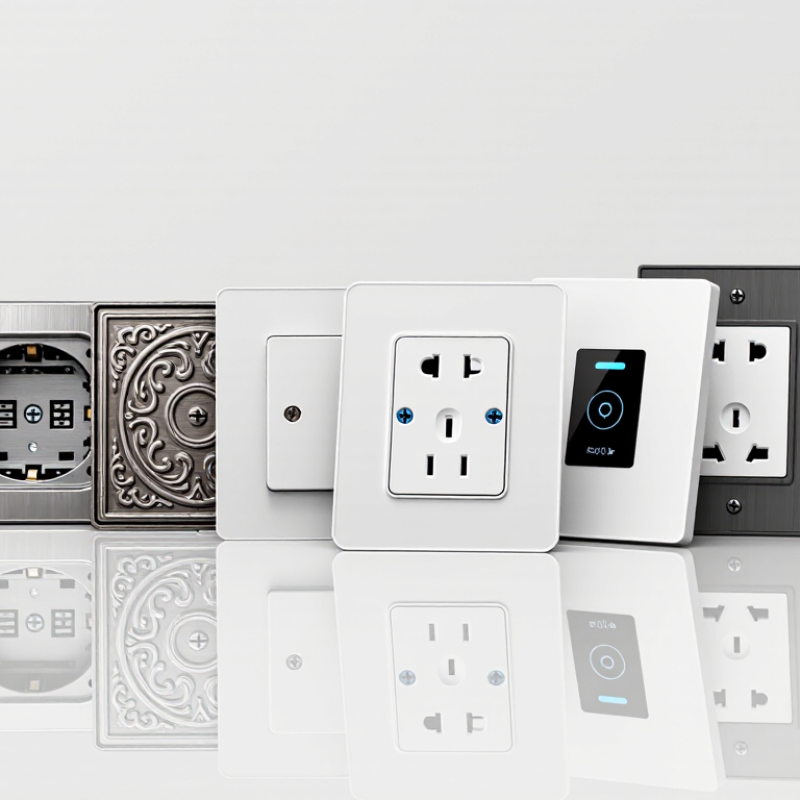
Top 10 Wallplate Cover Types for Global Buyers?

Wallplate Covers: Purpose, Structure, and Global Applications

Wallplate covers protect the wall opening around switches, outlets, and communication ports. They also hide rough cuts, loose edges, and exposed mounting gaps. A well-fitted plate improves safety, cleaning, and visual consistency. Its structure usually includes a face, mounting holes, and a rear contact surface. Screw spacing must match the electrical box. Small differences matter.

Global buyers commonly compare ten types: standard duplex, toggle, decorator, blank, combination, multi-gang, screwless, metal, plastic, and weather-resistant covers. Each type serves a different installation. A blank plate closes an unused opening. A multi-gang plate aligns several controls. Metal plates suit demanding commercial areas, while plastic plates offer lighter handling and insulation. Screwless designs create a smooth surface, but their clips can need careful alignment.

Applications vary across homes, offices, hotels, workshops, and public buildings. Humid or outdoor areas require materials and seals suited to local conditions. Healthcare and hospitality projects often prioritize easy cleaning and rounded edges. Older buildings may have uneven walls, so rigid plates can reveal gaps. That is an overlooked issue. Buyers should check dimensions, material thickness, screw position, finish durability, and compatibility with local electrical standards. Samples help, especially when ordering internationally. A lower unit price may become expensive after poor fitting, damaged finishes, or repeated replacements. Manufacturers and importers should also provide clear installation information and consistent quality records.

Top 10 Wallplate Cover Types for Global Buyers

Wallplate Covers: Purpose, Structure, and Global Applications

The chart compares common wallplate configurations by their typical number of device openings or module positions. Blank, power, data, audio/video, and weather-resistant plates generally serve one position, while combination plates support multiple devices. The values describe physical configuration capacity rather than market share or company performance.

The Top 10 Wallplate Cover Types and Their Defining Features

Top 10 Wallplate Cover Types for Global Buyers

The Top 10 Wallplate Cover Types and Their Defining Features

Wallplate covers differ in shape, material, fit, and intended use. In installation work, accurate measurements prevent most problems. The standard duplex plate suits two familiar receptacles and offers broad compatibility. The decorator plate has wide rectangular openings for modern switches and outlets. A toggle plate uses narrow openings for traditional toggle switches. The GFCI plate has a single rectangular opening and needs precise alignment around test buttons. The rocker plate provides a clean, flat appearance with broad switch openings.

Blank plates cover unused electrical boxes and reduce dust entry. Combination plates support mixed devices, such as a switch beside an outlet. Coaxial and data plates include structured openings for communication cables. Weather-resistant plates use sealing features for damp locations, but the complete installation still needs suitable protection. Metal plates provide impact resistance, grounding potential, and a distinctly industrial appearance.

Material choices include thermoplastic, nylon, stainless steel, aluminum, and treated steel. Thermoplastic feels light and resists many household impacts. Stainless steel handles frequent cleaning well. Finishes can hide fingerprints, though dark surfaces often reveal dust quickly. That detail is easy to overlook. During purchasing, compare screw-hole spacing, opening size, thickness, and edge profile. Local electrical dimensions are not always identical. Certification and fire-performance requirements also vary by market, so buyers should verify current regional rules with qualified professionals. A perfect-looking cover can still fail when the box sits too deep.

Material, Finish, and Durability Differences Across Cover Types

Top 10 Wallplate Cover Types for Global Buyers?

Material, Finish, and Durability Differences Across Cover Types

Global buyers often compare ten wallplate cover types, yet material usually decides service life. Molded thermoplastic covers are light, affordable, and resist small impacts. Their color runs through the material, so scratches show less. Stainless steel offers strong impact resistance and a clean, brushed finish. It can show fingerprints, especially near kitchens. Aluminum is lighter, but softer edges may dent during installation. Brass feels substantial and develops a patina unless regularly polished. Ceramic and glass create distinctive surfaces, though both demand careful handling. Natural wood adds warmth, but humidity can cause movement or finish changes.

Finish affects more than appearance. Matte textures hide fingerprints and minor scuffs better than high gloss. Powder-coated surfaces can provide consistent color, but poor preparation may cause chipping around screw holes. Brushed metal disguises fine marks; polished metal highlights them. In practical installation work, I check edge quality, screw alignment, and coating thickness before judging a cover. Durability is not absolute. Looks deceive. A strong plate can still fail when overtightened or mounted on an uneven box. That detail is easy to overlook.

Tips: Match the cover to its environment. Use corrosion-resistant metal in damp rooms and impact-resistant plastic in busy spaces. Choose sealed wood only where humidity stays controlled. Request samples when possible. Touch the finish, inspect the rear surface, and test screw fit. Specifications help, but real handling often reveals weaknesses. Some premium-looking finishes age poorly. I have learned not to assume appearance equals strength.

How Electrical Standards and Installation Methods Vary by Region

Wallplate covers are not universally interchangeable. Regional wiring rules shape their size, fixing method, grounding, and material choice. In North America, plates commonly fit device boxes secured with machine screws. The 120-volt system often uses separate grounding conductors. In the United Kingdom, BS 4662 boxes and BS 1363 accessories typically use recessed mounting and robust screw terminals. Many UK socket outlets also include a fuse, which changes plate depth and servicing needs.

Europe presents more variation. Schuko-style outlets usually require compatible flush boxes, protective earth contacts, and larger rear clearances. Australia and New Zealand follow AS/NZS requirements, with socket geometry and active-neutral-earth arrangements differing from European designs. These details affect common cover types, including standard, decorator, weather-resistant, tamper-resistant, and blank plates. A cover may look correct but still fail during installation.

Safety data explains why careful matching matters. The National Fire Protection Association estimated 32,620 U.S. home fires involving electrical distribution and lighting equipment annually from 2015 to 2019. Those fires caused about 470 civilian deaths and 1,100 injuries. The report identifies loose connections, damaged conductors, and overloaded equipment as recurring concerns. IEC 60670-1 also sets requirements for boxes and enclosures used with electrical installations. Global buyers should verify voltage, box dimensions, terminal clearance, ingress protection, and local certification before ordering. Measurements can still be misleading. Regional installer practice is not always identical to written standards.

How Global Buyers Can Compare, Select, and Source Wallplate Covers

Top 10 Wallplate Cover Types for Global Buyers

How Global Buyers Can Compare, Select, and Source Wallplate Covers

Global buyers should compare wallplate covers by application, material, dimensions, finish, and installation method. Common options include standard, oversized, screwless, decorator, toggle, duplex, GFCI, blank, weather-resistant, and antimicrobial covers. Each type serves a different installation need. A weather-resistant cover may suit damp locations, while a screwless design supports cleaner interiors. However, appearance should never replace fit or safety verification.

Material choices include thermoplastic, stainless steel, aluminum, and treated wood. Thermoplastic is lightweight and often resists impact. Stainless steel offers strength, but fingerprints can become visible.

Buyers should request dimensional drawings, material specifications, load information, and sample units before placing large orders. Check hole spacing, plate thickness, edge quality, and compatibility with local electrical boxes. Requirements differ between markets, so independent testing and current compliance documents matter. Do not rely on a supplier’s general statement alone.

Tips: Build a comparison sheet with price, minimum order quantity, lead time, packaging, and inspection results. Ask for production samples. Test screw alignment and surface durability yourself. A perfect shortlist rarely exists. I would also inspect cartons, because polished covers can arrive scratched after long-distance transport. Clarify labeling, pallet standards, replacement procedures, and acceptance criteria in writing. Small details often decide whether a shipment is truly ready for international distribution.

FAQS

What is the main purpose of a wallplate cover?

It covers the wall opening around switches, outlets, and communication ports. It also hides rough cuts and loose edges. A neat fit helps with cleaning and safety.

Which measurements should buyers check before ordering?

Check screw spacing, opening size, plate thickness, and edge shape. Measure the electrical box depth too. Small differences matter.

What type suits an unused electrical box?

A blank plate closes an unused opening and limits dust entry. It creates a cleaner wall surface. The box must still fit its mounting position.

When is a multi-gang plate useful?

It aligns several switches or outlets in one wall opening. This helps in offices, homes, and public buildings. Uneven boxes can still cause visible gaps.

Which materials are commonly used for wallplate covers?

Common materials include thermoplastic, nylon, stainless steel, aluminum, and treated steel. Plastic feels light and offers insulation. Metal handles impacts better but may show fingerprints.

Are screwless covers easy to install?

They create a smooth, clean surface without visible screws. Their clips need careful alignment during installation. A slight mismatch can make the plate sit unevenly.

Can weather-resistant covers be used outdoors?

They may suit damp or outdoor locations when matched with proper seals. The complete installation needs suitable protection. The cover alone cannot solve every moisture problem.

How can international buyers reduce ordering problems?

Request drawings, material details, samples, and current regional compliance documents. Test screw alignment and surface durability before large orders. Inspect cartons for scratches after shipping. A perfect shortlist is unlikely.

Conclusion

This guide explains how a Wallplate Cover protects electrical outlets, switches, and connection points while contributing to safety, appearance, and installation efficiency. It introduces ten common types, including standard, decorator, screwless, weather-resistant, tamper-resistant, blank, combination, modular, metal, and specialty covers, highlighting the defining features and suitable applications of each. Readers will also learn how materials such as plastic, stainless steel, aluminum, and nylon differ in strength, corrosion resistance, insulation, finish, and long-term durability.

Because electrical requirements vary between regions, the article outlines why buyers should consider local dimensions, grounding practices, mounting systems, certification expectations, and indoor or outdoor conditions before purchasing. It also provides a practical framework for global sourcing: compare design, material, compatibility, quality consistency, packaging, customization options, production capacity, and total cost. By matching the Wallplate Cover type with the intended environment and regional installation method, buyers can make more reliable, efficient, and informed purchasing decisions.


Charlotte

Charlotte

Charlotte is a seasoned marketing professional with a deep understanding of the company's portfolio and a passion for elevating its presence in the market. With a keen eye for detail and a commitment to excellence, she ensures that our professional blog is regularly updated with insightful articles......