Top 10 Electrical Wall Outlets Every Buyer Should Consider?

Time:2026-06-13 Author:Liam
0%

When it comes to home electrical systems, understanding Electrical Wall Outlets is crucial. John Smith, an expert in electrical engineering, states, "Choosing the right outlet is as important as selecting the right appliances." With countless options available, buyers often feel overwhelmed. Each outlet serves a specific purpose, whether for high wattage devices or smart technology integrations.

Most homeowners overlook the significance of these outlets until they face a shortage of power sources. The right Electrical Wall Outlets can enhance both functionality and safety in any space. For instance, USB-integrated outlets can eliminate clutter from multiple chargers. This flexibility allows users to charge devices more conveniently and efficiently.

However, it is essential to recognize that not all outlets are created equal. Some may fail to meet modern electrical demands, leading to potential hazards. Buyers must evaluate their needs carefully. Selecting the wrong type could lead to future frustrations or safety issues. Thus, staying informed is vital in ensuring your home remains efficient and safe.
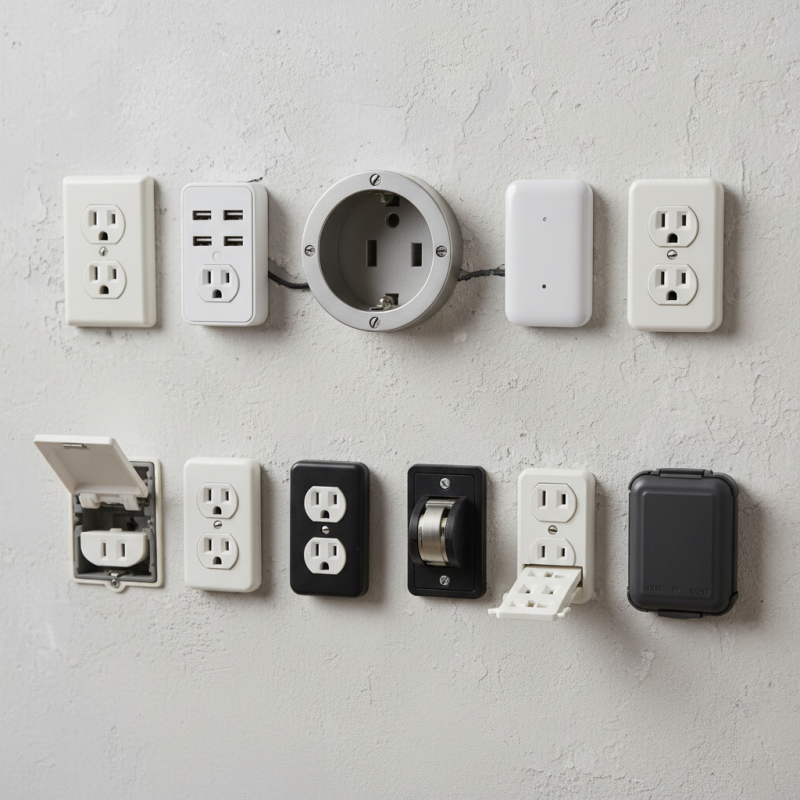
Top 10 Electrical Wall Outlets Every Buyer Should Consider?

Essential Features to Look for in Electrical Wall Outlets

When choosing electrical wall outlets, essential features should not be overlooked. Consider the outlet's design and compatibility with your devices. Many modern outlets feature USB ports, which allow for charging multiple devices without needing adapters. Look for tamper-resistant outlets, especially if you have children. These outlets help prevent accidental shocks by blocking foreign objects.

Safety should always be a priority. Evaluate whether the outlets have surge protection. This feature guards your devices against voltage spikes, helping to extend their lifespan. Potential users should also check if there is a reset button for added convenience.

Tips for installation can make a significant difference. Ensure that the outlet is properly grounded to avoid electrical hazards. Use a voltage tester to guarantee the outlet is functioning correctly. Revisiting your choices after installation can help identify areas for improvement. Sometimes, outlets may not work as expected. Reflecting on these aspects can lead to better electrical safety at home.

Types of Electrical Wall Outlets: A Comprehensive Overview

When selecting electrical wall outlets, it's essential to understand the various types available. Standard 120-volt outlets are common in homes, providing a reliable source of power. However, other options, such as GFCI (Ground Fault Circuit Interrupter) outlets, are crucial in areas exposed to moisture, like kitchens and bathrooms. According to the Electrical Safety Foundation International, GFCIs prevent over 30,000 injuries annually. Their role in enhancing safety cannot be overstated.

USB wall outlets are gaining popularity, providing convenient charging options. Research from the National Electrical Manufacturers Association suggests a growing trend towards integrated USB outlets in homes. These outlets eliminate the need for bulky adapters. However, users should ensure compatibility with devices to avoid issues.

Smart outlets offer advanced features, allowing remote control via smartphones. While convenience is appealing, they require a stable Wi-Fi connection. Users may find frustration if connectivity issues arise. As technology progresses, understanding outlet options ensures informed decisions, enhancing both safety and usability in electrical installations.

Top 10 Electrical Wall Outlets Every Buyer Should Consider

Outlet Type Features Best For Installation Complexity
Standard Duplex Outlet Two receptacles, suitable for most devices General household use Easy
GFCI Outlet Ground fault circuit interrupter protection Bathrooms, kitchens, outdoor areas Moderate
RTP Outlet Receptacle with USB ports Mobile device charging Easy
Smart Outlet Wi-Fi enabled, app controlled Home automation Moderate
Commercial Grade Outlet Heavy duty, durable materials Businesses, high usage areas Difficult
Tamper-Resistant Outlet Plastic shutters to prevent foreign objects Child safety Easy
Australian Power Outlet Type I socket for Australia Used in Australia and New Zealand Easy to Medium
Europlug Outlet Standard plug for many European countries Travelers and international use Medium
USB-C Outlet Fast charging capabilities Modern electronics and devices Easy

Safety Standards and Regulations for Electrical Outlets

When selecting electrical wall outlets, safety standards should be a top priority. The National Electrical Code (NEC) defines regulations for residential electrical systems. Compliance ensures that outlets can safely handle the electrical load. The NEC periodically updates, reflecting new safety needs.

In recent studies, nearly 90% of home electrical fires are attributed to outdated or faulty outlets. Upgrading to GFCI (Ground Fault Circuit Interrupter) outlets is vital in high-moisture areas. These outlets prevent electrical shock by shutting off power when a fault is detected. Many states require GFCI installation in kitchens and bathrooms.

Understanding local codes is essential. Many homeowners overlook this, leading to safety risks. Each outlet's placement must consider safety distances from water sources. Ensuring all outlets meet or exceed local safety regulations can significantly reduce hazards. Ultimately, investing in quality and compliant electrical outlets is a responsible choice for any homeowner.

Installation Guidelines for Different Wall Outlet Types

When considering wall outlets, it's essential to follow installation guidelines specific to each type. For standard electrical outlets, ensure that the electrical box is securely mounted. Use a voltage tester to verify that power is off before touching any wires. Strip the insulation from the wires carefully, connecting the black (hot) wire to the brass screw, the white (neutral) wire to the silver screw, and the green or bare wire to the ground screw. Tighten the screws firmly, but avoid over-tightening, which can damage the outlet.

GFCI outlets require different attention due to their role in preventing electrical shock. These outlets are typically installed in areas prone to moisture, like kitchens and bathrooms. It's crucial to connect the line and load wires properly. Failure to do so can render the outlet ineffective. After installation, test the outlet using the built-in test button. If it doesn’t reset, there may be an issue that requires professional inspection. Remember, improper installation can create safety hazards. Always consult an electrician if you're uncertain about the process. Safety must be the priority when dealing with electrical components.

Maintenance Tips for Longevity of Electrical Wall Outlets

Maintaining your electrical wall outlets is crucial for ensuring safety and longevity. Regular inspection is key. Check for signs of wear or damage, such as burn marks or loose connections. If any outlet feels warm to the touch, it’s a red flag. Untangle cords that get too close to outlets, as this can cause overheating.

Cleaning your outlets is another essential step. Dust and debris can accumulate, leading to potential hazards. Use a damp cloth to wipe surfaces without moisture intrusion. For more stubborn dirt, consider a gentle cleaner. Avoid using abrasive materials that can scratch the outlets.

Stay vigilant about using the right plugs and devices. Overloading outlets can lead to malfunction. Use adapters or power strips wisely, ensuring they are rated for the load. Remember to periodically check that all outlets are functioning correctly. If you notice any unusual behavior, consult a professional. Electrical safety is non-negotiable, and proactive maintenance can save you from future headaches.

FAQS

: Why are safety standards important for electrical outlets?

: Safety standards ensure outlets handle electrical loads safely, reducing fire risks.

What is a GFCI outlet?

A GFCI outlet shuts off power to prevent electrical shock in wet areas.

Where should GFCI outlets be installed?

Install GFCI outlets in kitchens and bathrooms where moisture is present.

How can homeowners avoid safety risks?

Understanding and complying with local codes can significantly reduce safety hazards.

What should I check during outlet maintenance?

Inspect for wear, damage, or overheating. Look for burn marks or loose connections.

How should I clean my electrical outlets?

Use a damp cloth to wipe them down. Avoid moisture and abrasive cleaners.

What happens if an outlet feels warm?

A warm outlet is a warning sign. It's essential to have it inspected.

What should I do if my GFCI outlet doesn't reset?

If it doesn’t reset, consult a professional for inspection.

How can I prevent outlet overload?

Use devices appropriately and avoid overloading outlets with too many plugs.

Is it safe to install outlets on my own?

Improper installation can be hazardous. Always consult an electrician if uncertain.

Conclusion

This article explores the essential aspects to consider when selecting Electrical Wall Outlets, focusing on critical features that enhance safety and functionality. It provides a comprehensive overview of various types of outlets available in the market, ensuring buyers understand their options. Furthermore, the piece highlights the importance of adhering to safety standards and regulations to ensure compliance and user safety.

Additionally, the article offers practical installation guidelines tailored for different types of Electrical Wall Outlets, making it easier for homeowners and electricians alike. To promote longevity, it concludes with maintenance tips that help keep outlets in optimal condition. This comprehensive guide is invaluable for anyone looking to make informed decisions regarding Electrical Wall Outlets.


Liam

Liam

Liam is a dedicated marketing professional with a profound expertise in the industry, where he excels at highlighting the unique advantages of our core products. With a keen understanding of market trends and consumer needs, Liam frequently updates our company’s professional blog, providing......