Choosing the right outlet socket is essential for a safe and functional home. Expert electrician John Smith emphasizes, “An outlet socket is the heart of electrical supply.” This highlights the importance of understanding different types and their uses.
There are various outlet socket types, each catering to specific needs. From standard two-prong sockets to advanced smart outlets, every choice has its purpose. Many homeowners overlook the significance of selecting the right outlet. This can lead to safety hazards or inefficiencies.
Investing time in knowing the available options can prevent future issues. Knowledge about outlet sockets ensures that you meet your daily power demands safely. Consider the details that fit your lifestyle. Hardwired appliances may require different sockets than basic chargers. A few minutes spent on research can lead to better decisions.
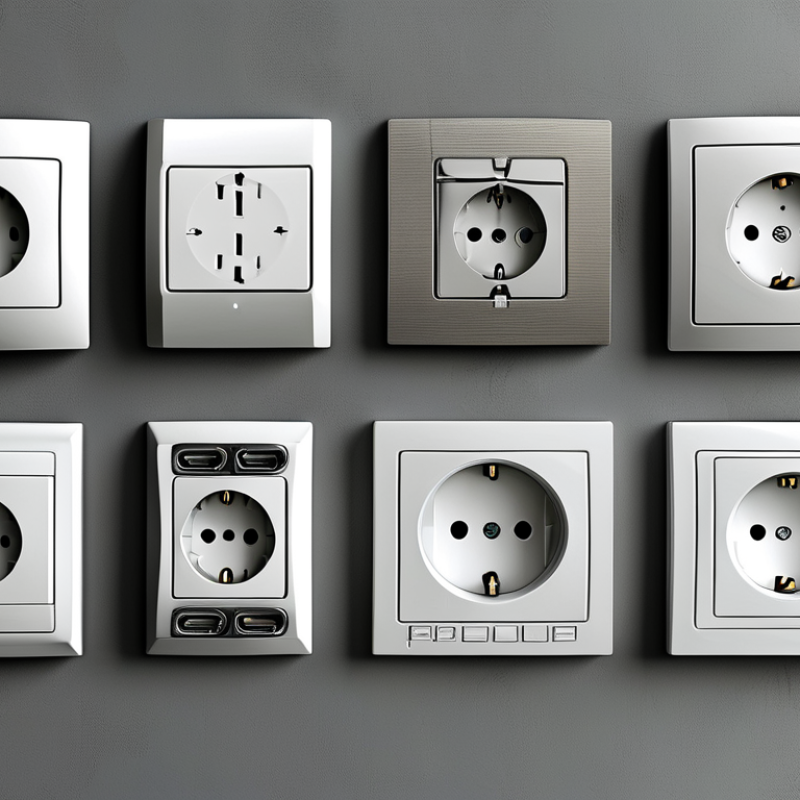
When it comes to choosing outlet sockets for your home, understanding the different types is crucial. Commonly used are standard wall outlets, which accommodate everyday devices. These are found in most homes. They provide adequate power for lamps and chargers. However, consider their limitations. Overloading can lead to circuit issues, and many homes lack enough outlets. This can make it tricky for users who have multiple devices.
Another popular option is the GFCI outlet. Often used in kitchens and bathrooms, it protects against electrical shocks. This type monitors current flow and cuts off power when it detects imbalance. While necessary for safety, GFCIs can trip unexpectedly. Knowing this can help users manage their appliance usage effectively.
Lastly, USB wall outlets have gained popularity. They simplify charging for smartphones and tablets. But, with various power ratings, not all can charge devices efficiently. Users should pay attention to specifications. Understanding features such as these can significantly enhance your home’s functionality. Each outlet type has its pros and cons, requiring careful selection based on personal needs.
Electrical outlets are essential for every home's functionality. They come in various types, each serving specific needs. Understanding these outlet types enhances safety and efficiency. Standard duplex outlets are the most common. They accommodate two plugs and are found in most rooms. However, they may not be sufficient for certain devices.
GFCI outlets are vital in wet areas like kitchens and bathrooms. They prevent electrical shock by shutting off power when they detect a ground fault. AFCI outlets protect against electrical fires caused by arc faults. Installing these outlets can significantly improve home safety. USB outlets are becoming popular too, allowing easy charging of mobile devices without bulky adapters.
While many homeowners opt for standard outlets, there can be pitfalls. Overloading a single outlet can lead to tripped breakers or fire hazards. Not all homes have up-to-date wiring. This can create issues with modern appliances that require more power. It’s essential to periodically check your outlets for wear and tear. Ensuring that your home's outlet types align with your electrical needs can enhance both convenience and safety.
When considering specialty outlet sockets, understanding their unique features can enhance your home's functionality. Specialty outlets, such as GFCI and AFCI models, are essential for safety in high-risk areas. GFCI outlets help prevent electrical shock in areas near water, while AFCI outlets protect against electrical fires by detecting arcing faults. According to the National Fire Protection Association, homes equipped with AFCI outlets saw a decrease in electrical fire incidents by 20%.
Another significant type is USB outlets, which streamline charging devices. With the rise of smart electronics, these outlets cater to our charging needs effectively. The Consumer Technology Association reported a 30% increase in USB-integrated outlets in new home construction, reflecting modern consumer behavior. Moreover, smart outlets provide remote control and energy monitoring features. However, it's important to ensure these outlets are compatible with your home’s Wi-Fi infrastructure.
It's worth noting that implementing specialty outlets requires careful consideration of residential electrical systems. Overloaded circuits are a risk if not properly evaluated. Data from the Electrical Safety Foundation International highlights that almost 50% of electrical fires stem from overload issues. Ensuring correct installation and adherence to local codes is vital for safety and longevity.
When selecting the right outlet for your home's electrical needs, consider your lifestyle and appliances. Assess the devices you frequently use. This helps in determining the outlet type suitable for your living space. Standard outlets are common, but specialized ones may be beneficial for certain devices.
For outdoor areas, GFCI outlets are essential. They protect against electrical shocks. Install them in places exposed to moisture, like patios or gardens. This small change can greatly enhance safety.
Evaluate your charging needs too. USB outlets are becoming popular for convenience. They reduce clutter by eliminating the need for multiple chargers. Be mindful of overloading outlets. It may lead to overheating and potential hazards. Always keep safety in the forefront of your decisions when upgrading or installing outlets.
When installing outlet sockets in your home, safety should be a top priority. Using the correct outlet type is crucial. For instance, GFCI sockets are essential in wet areas like bathrooms and kitchens. They help prevent electrical shocks. Regular maintenance is necessary. Check for signs of wear or damage periodically. An outdated socket can be a hazard.
Another important aspect to consider is the installation process itself. If you’re unfamiliar with electrical work, it’s smart to consult a professional. Improper installation can lead to short circuits or fires. Make sure to turn off the power supply before beginning any work. Using a voltage tester can add an extra layer of safety.
Even with proper precautions, issues can arise. You might later realize that the chosen outlet location is inconvenient. Reflect on your daily habits and layout before finalizing placements. It’s common to overlook the need for extra outlets, especially in a home office setup. Always plan for future needs. A little foresight can save you from frequent adjustments later.
: The most common types are duplex outlets, GFCI outlets, AFCI outlets, and USB outlets.
GFCI outlets prevent electrical shock in wet areas by shutting off power during ground faults.
AFCI outlets protect against electrical fires by detecting arc faults in the wiring.
USB outlets simplify charging mobile devices, reducing the need for bulky adapters.
Standard outlets can be overloaded, leading to tripped breakers or fire hazards.
It’s essential to periodically inspect outlets for wear and tear to ensure safety.
Assess your lifestyle, appliance needs, and whether specialized outlets might be beneficial.
Almost 50% of electrical fires are caused by overloaded circuits; careful evaluation is necessary.
Smart outlets offer remote control and energy monitoring features but need Wi-Fi compatibility.
It's important to adhere to local codes and ensure proper installation for safety.
This article explores the various types of outlet sockets essential for home electrical needs. It begins with an understanding of different outlet socket types, clarifying the distinction between standard and specialty options. Common types of electrical outlets used in residential settings are detailed, highlighting their specific applications and functionalities.
The piece further discusses how to choose the right outlet socket based on your home's electrical requirements, emphasizing the importance of matching the outlet type to individual needs. Finally, it addresses installation and safety considerations to ensure that homeowners can safely and effectively integrate new outlets into their living spaces, thus enhancing both functionality and convenience in their homes.

Huaya Electric