As we look ahead to 2026, the USB outlet market is set for significant evolution. Expert John Peterson, a leading voice in the USB outlet industry, notes, "The future of USB outlets lies in their integration into everyday spaces." With the increasing reliance on technology, the demand for innovative USB outlets is rising.
This shift is spurred by our growing need for convenience and connectivity. Consumers want solutions that blend seamlessly into their environments. USB outlets are no longer just functional; they are becoming design elements. Many homes and businesses seek products that reflect modern aesthetics while providing utility.
Yet, challenges persist. Manufacturers must balance cutting-edge technology with user safety and compatibility. Thus, as buyers, understanding these trends and potential pitfalls will be crucial. Awareness of the latest USB outlet innovations will empower your purchasing decisions. Invest wisely in this dynamic landscape as it continues to evolve.
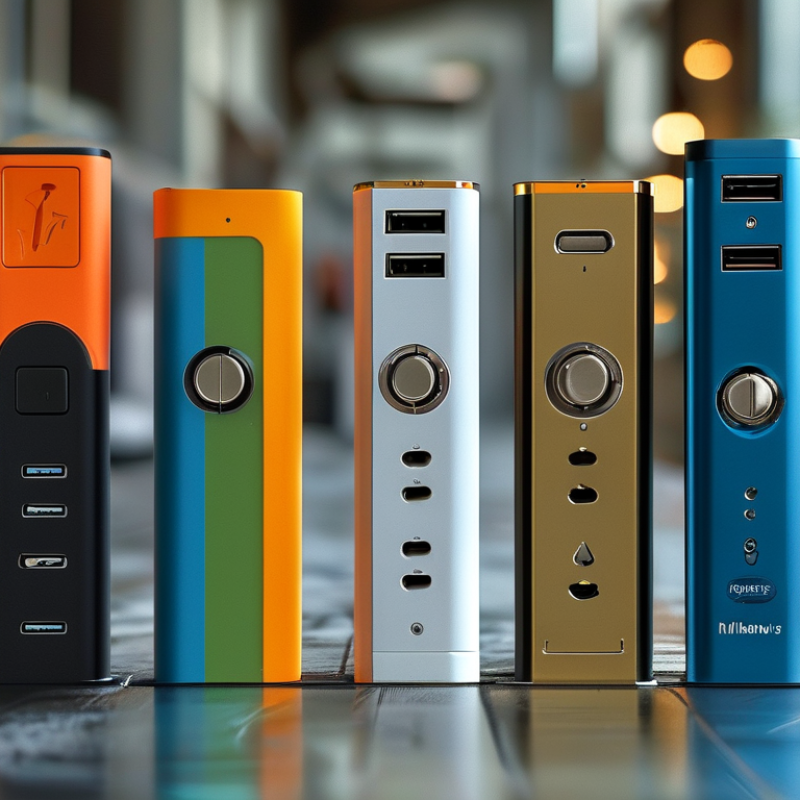
As we look toward 2026, USB outlet designs are rapidly evolving. Emerging technologies are driving creativity in functionality and user experience. Innovative features include faster charging capabilities and improved energy efficiency. These advancements promise to meet the high demands of modern devices.
One notable trend is the integration of smart technology into USB outlets. Users can control and monitor energy usage through their smartphones. This adds a layer of convenience and helps reduce energy waste. However, there are challenges. Not all consumers are tech-savvy, creating a gap in understanding these features. Manufacturers need to ensure user-friendly interfaces.
Design aesthetics are also changing. Sleek, minimalist designs are gaining popularity. Outlets are now designed to blend seamlessly with various décor styles. Yet, there is a risk that focusing solely on aesthetics may compromise functionality. Balancing form and function is essential in this evolving market.
As the world becomes more eco-conscious, USB outlets are evolving. Eco-friendly materials are gaining traction. Sustainable options significantly reduce environmental impact. By 2026, many consumers will prioritize these green choices. Materials like bamboo, recycled plastics, and bioplastics are exciting developments. They not only offer durability but also promote a healthier planet.
Sustainability in USB outlets goes beyond the materials. Manufacturers are focusing on energy efficiency. Outlets designed with energy-saving features can lower electricity usage. This approach appeals to eco-minded buyers looking for responsible products. While options exist, consumers should consider product certifications. Not all items labeled as "eco-friendly" meet rigorous standards.
However, the market faces challenges. Many eco-friendly outlets are still relatively new. Consumers may hesitate over untested innovations. Trust remains a crucial element. Engaging with manufacturers on their practices can yield valuable insights. Balancing sustainability and functionality is essential for informed choices.
As we move towards 2026, USB outlet technology is evolving rapidly. Smart capabilities are becoming a central focus. These features enhance user experience through automation and connectivity. According to a 2023 industry report, smart USB outlets may see a market growth rate of over 25% annually. This trend is driven by increased demand for energy efficiency.
Innovative USB outlets now include sensors that detect device charging needs. This capability automatically adjusts the power supply. Another exciting feature is remote control through mobile apps. Users can manage outlets from anywhere. Data indicates that 65% of consumers value this convenience. However, some users may feel overwhelmed with too many features. Simplification of options can improve user engagement.
Despite advancements, security remains a concern. Smart outlets often connect to home networks, raising risks of hacking. A 2022 survey revealed that 32% of users worry about data privacy. Manufacturers strive to address these fears, but challenges persist. Balancing innovation with security is crucial for widespread adoption.
This chart illustrates the top trends in USB outlets that are expected to dominate the market in 2026. The popularity percentages reflect consumer interest in features such as smart charging capabilities, multiple ports for convenience, energy-efficient designs, integrated safety features, and modern aesthetics.
As we approach 2026, the integration of USB outlets with home automation systems stands out in the evolving tech landscape. A recent report by market analysts indicates that smart home devices are expected to grow by 25% annually. This surge is partly due to the increasing demand for seamless connectivity across various gadgets. With USB outlets becoming a central hub, homeowners can charge devices while connecting them to smart systems, enhancing efficiency.
The trend toward smart outlets is marked by a need for reliability and ease of use. Research shows that 70% of homeowners prioritize convenience when choosing smart technology. USB outlets equipped with home automation features allow users to control power remotely or set schedules. However, there are concerns about compatibility and security. Many users find that not all devices communicate effectively, leading to frustration. This highlights the need for standardized protocols in smart outlet design.
Moreover, consumers are becoming more aware of energy consumption. A study revealed that 60% of users want outlets that can provide energy usage data. Transparency in energy consumption can lead to informed decisions and help reduce waste. While advancements are encouraging, challenges remain. Consumers desire innovations but often encounter hiccups in integration. The path to smart home harmony is not without its bumps, and feedback loops are essential for improvement.
In 2026, buyers are increasingly prioritizing functionality and design in USB outlets. Consumers want outlets that not only charge devices quickly but also fit seamlessly into their home decor. The trend shows a strong preference for sleek, modern designs that blend with various interior styles. Many are choosing wall plates that are minimalistic, yet elegant, reflecting a desire for aesthetics alongside utility.
Safety features are also a key concern. Buyers are looking for outlets equipped with surge protection and smart technology that prevents overcharging. The need for reliability cannot be overstated. As families grow, more devices are connected, highlighting the importance of robust charging options. Buyers are often hesitant about less-known products, favoring reputable sources with proven track records.
Furthermore, environmental impact matters, too. More consumers are seeking energy-efficient mechanisms that reduce waste. This shift reflects a broader societal focus on sustainability. However, some products that claim to be eco-friendly lack transparency about their materials. It’s crucial for buyers to research thoroughly. In this evolving landscape, informed choices will lead to better purchases that meet safety, aesthetics, and environmental standards.
: USB outlets now feature faster charging and improved energy efficiency to meet modern device demands.
Users can control energy usage via smartphones, enhancing convenience. However, some may struggle to understand these features.
Yes, sleek designs blend well with décor. Yet, focusing too much on looks may impact functionality.
Sustainable materials like bamboo and recycled plastics are common. They promote durability and a healthier planet.
Energy-saving features lower electricity use. Eco-conscious consumers will prioritize such responsible products.
Many are new, leading to hesitance over untested innovations. Trust and certifications are crucial in consumer decisions.
Smart outlets become hubs for charging devices and connecting to smart systems, boosting efficiency and convenience.
Compatibility and security issues often frustrate users. Standardized protocols are needed for better integration.
Knowing energy usage helps users make informed decisions. It aids in reducing waste and improving efficiency.
Innovations are promising, yet users face integration challenges. Feedback loops are essential for refining these technologies.
As we approach 2026, USB outlets are evolving with emerging technologies that enhance their design and functionality. Innovations in smart capabilities are redefining how users interact with their devices, enabling features like remote management and energy monitoring. This trend is complemented by a shift towards eco-friendly materials, fostering sustainability in product development while meeting the increasing consumer demand for environmentally responsible solutions.
Moreover, the integration of USB outlets with home automation systems is set to revolutionize convenience and efficiency in everyday life. Buyers in 2026 are likely to prioritize seamless connectivity and user-friendly interfaces, reflecting their preferences for modern living. As these trends unfold, understanding the landscape of USB outlet advancements will be crucial for consumers looking to make informed purchasing decisions.

Huaya Electric